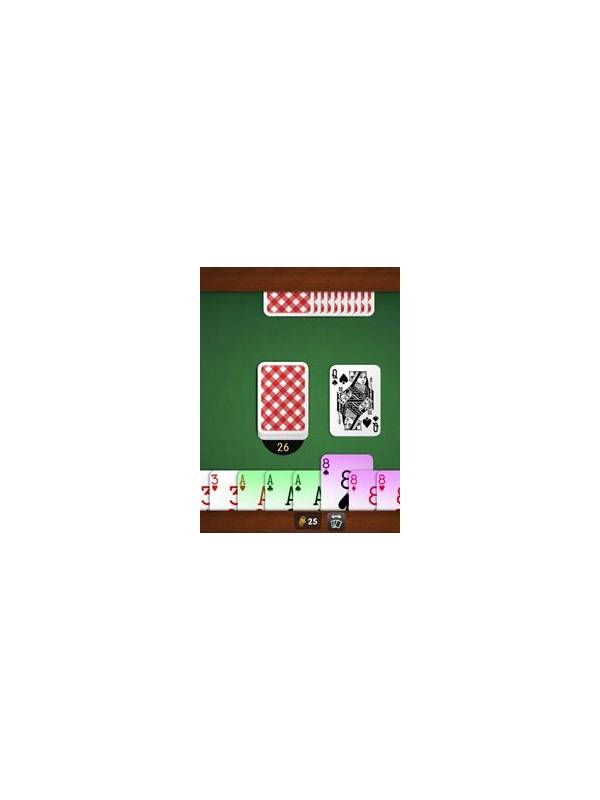
Rummy FAQ: What Should You Record After a Reconnect?
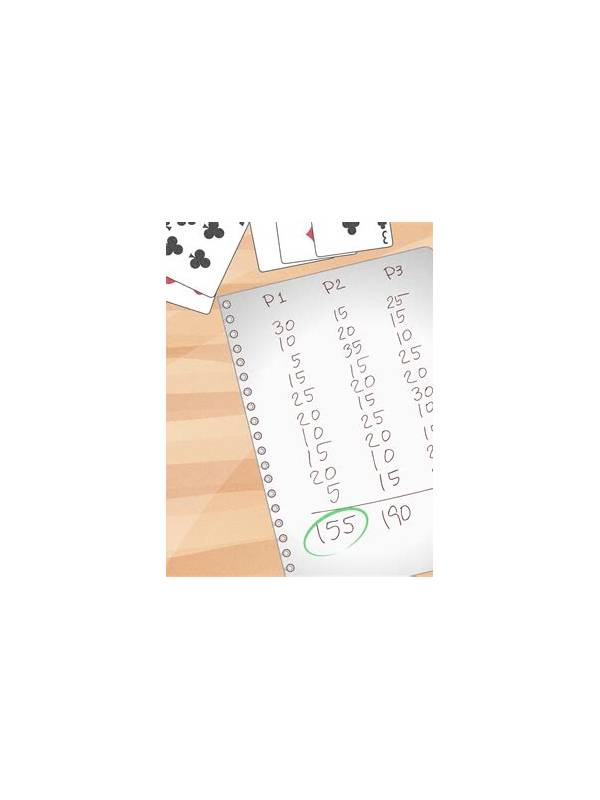
A reconnect can interrupt the most important part of a rummy turn. When the table returns, players often remember the interruption more strongly than the hand itself. A short record helps you understand what happened without guessing.
Start with the time and the visible table state. Note whether the hand was still active, whose turn it appeared to be, and whether the discard pile or timer had changed. Do not rely on memory of a screen that disappeared quickly. If the platform provides an in-app hand history, use that record instead of taking screenshots that might reveal private information.
Next, write down the action you had already completed. Had you drawn, selected a card, or confirmed a discard? If you are unsure, mark it as uncertain. An honest uncertainty label is more useful than an invented detail. Also record any message the application displayed, using the wording shown on screen without adding a conclusion about fault.
Check your account and table status through the normal interface. Do not follow a new link sent by another player. If the session ended, note the result only after the official history updates. If a balance, entry condition, or score appears incorrect, preserve the relevant reference number and contact support through the known support route.
After the technical facts, add a separate line for the hand decision. Ask what you planned to do before the reconnect and whether the restored state changed the available options. This separation matters: a poor result after an interruption does not prove that the original decision was poor, and a good result does not prove that the connection had no effect.
Avoid repeatedly refreshing or attempting many logins. That can create more confusing states and may trigger additional security checks. If the connection remains unstable, stop the session and return when the device and network are reliable.
The useful record is short: time, table state, last confirmed action, system message, and support reference if needed. It gives you enough information to report a problem clearly while keeping the emotional story separate from the technical evidence. If you report the issue, include the device type, application version, approximate time, and the hand or table reference if the service provides one. Share only information needed for troubleshooting. Never include a password, authentication code, or full payment details in a support message, even if the message appears urgent. Keep the note factual and brief so it remains useful if you contact support later.
Related Post

Rummy Learning Path: Move From Rules to Deliberate Practice
A staged learning path helps new rummy players build understanding before adding speed or financial [...]
Rummy How-To: Build a Pre-Declaration Checklist
A repeatable pre-declaration checklist reduces avoidable errors when a hand looks complete but still needs [...]