Rummy How-To: Archive Session Notes for Later Review
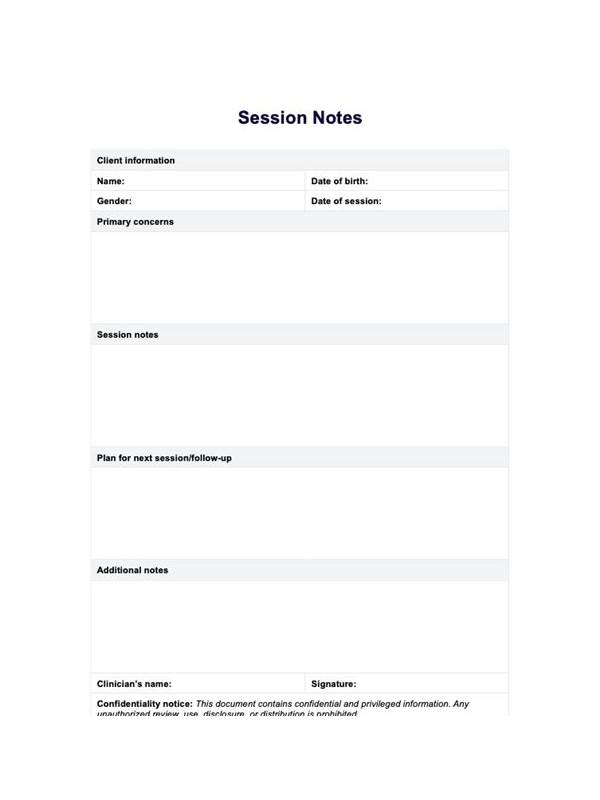
Session notes are most useful when you can find and compare them later. A simple archive can show whether your errors come from opening hands, late discards, declarations, or emotional decisions. It does not need to contain every card from every game.
Choose one consistent format. For each session, record the date, format, number of hands, and one learning goal. Then capture three moments: the first important choice, the largest uncertainty, and the final decision you would revisit. Use neutral descriptions such as “held a narrow pair for four turns” instead of “played badly.” Neutral language makes patterns easier to see.
Give every entry a short label. Useful labels include opening, discard, joker, declaration, timing, app issue, and focus. Keep the labels stable so that a weekly review can group similar events. If you use a digital note, put the date first and avoid storing passwords, payment details, or unnecessary personal data alongside game observations.
Review the archive on a schedule rather than after every disappointing result. Once a week, count repeated labels and select one behavior to test. For example, if “narrow draw” appears often, set a two-turn exit rule in the next session. If “declaration” appears often, rehearse the fixed validation checklist earlier.
Archive the lesson, not the frustration. A short record that leads to one measurable experiment is more valuable than a detailed replay you never reread. Over time, the archive becomes a personal reference for decisions you can control.
Protect the archive itself. Keep it in a private account or local note protected by the device’s normal security, and remove entries that contain more information than you need. If you share examples for teaching, replace usernames, transaction references, and identifying screenshots with a plain description. A learning record should improve play without becoming a privacy risk.
Use one sentence for the lesson and one sentence for the experiment. For example: “I protected a narrow pair too long.” “Next session, I will reassess it after two misses.” This format makes old notes actionable and prevents the archive from becoming a collection of untested opinions.
Monthly, remove duplicate observations and keep the clearest example of each pattern. A smaller archive is easier to search and less likely to overwhelm you before a session. If a behavior has improved, mark it as stable and choose a new experiment instead of endlessly recording the same success.
Use the archive to guide practice, not to judge your identity as a player.
Related Post
Rummy Comparison: Hold a Pair or Protect a Connector?
Compare two common hand-building choices by flexibility, completion speed, and the cost of missing. [...]
Rummy Tips: Compare Cards by Flexibility and Penalty
Learn how to balance a card’s possible future uses against the cost of keeping it [...]