Rummy FAQ: What If Two Plans Need the Same Card?
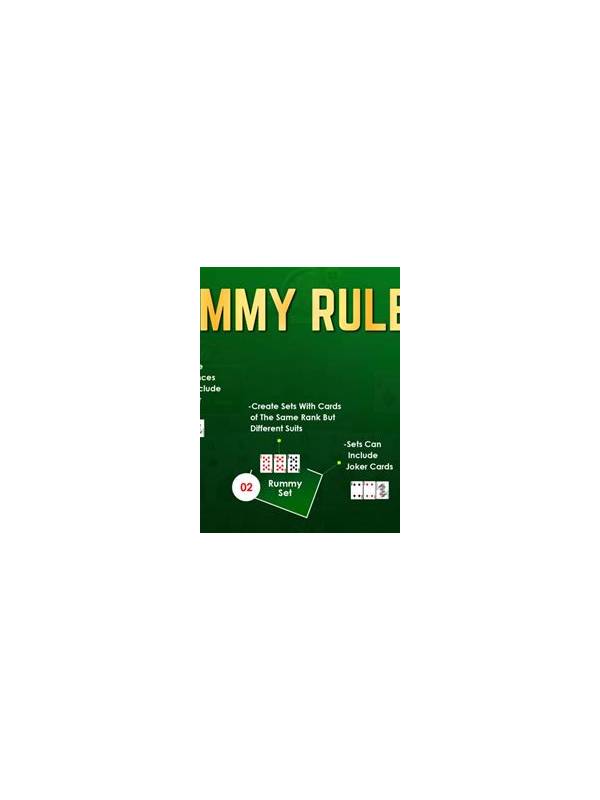
Two promising groups can sometimes depend on the same missing card. That overlap is easy to miss because each group looks useful when viewed alone. The correct response is to treat the shared card as one resource and decide which plan deserves priority.
Start by writing the overlap explicitly. If both a sequence and a set need the same rank, mark that rank once and list the result of receiving it. Does it complete one group and improve the other, or can it serve only one? If it serves only one, the second group is not a separate out. Its value must be discounted.
Next, compare the groups on three measures: rule importance, penalty reduction, and alternate routes. A required pure sequence may outrank a decorative set. A group that releases several high-point cards may outrank one that merely makes the layout look cleaner. A group with another possible connector may be safer than a group whose entire future depends on the shared card.
Watch the discard pile for information, but stay cautious. If several copies of the shared rank are visible, both plans weaken. If one is already available in the open pile, taking it may solve the problem but also reveal your interest. Consider whether the information cost changes your choice under the table rules.
Finally, set a deadline. Keep the overlap for a defined number of turns, then reassess the less valuable group. This prevents two plans from competing indefinitely for one card. A shared out can be powerful when it improves the whole hand, but it should never be counted as two independent promises.
One useful tie-breaker is reversibility. Prefer the plan that can be left with a low-cost discard if the shared card does not arrive. A set that requires breaking a strong sequence may be less attractive than a sequence that leaves a spare pair. This does not eliminate uncertainty, but it keeps a missed draw from damaging two parts of the hand at once.
If the shared card is visible in the discard pile, also consider timing. Taking it may be legal and useful, but it can announce which two plans you are considering. Sometimes that information cost is small; sometimes it gives an opponent a clear clue. Include visibility in the comparison rather than evaluating the card in isolation.
When neither plan clearly wins, choose the one with the lower penalty if both miss. This is a practical tie-breaker because it limits the damage of uncertainty. Reassess after the next draw and update the shared-out note rather than carrying the original estimate forward unchanged.
Related Post
Rummy FAQ: Can a Joker Solve Every Sequence Problem?
This FAQ explains why a joker is flexible but still subject to rules, timing, and [...]
Rummy Tips: Judge a Draw by Its Future Discards
Evaluate a possible draw by the decisions it creates on the next turns. [...]