Rummy How-To: Build an Exit Checklist for a Game App
Ending a rummy session is a skill of its own. Without a clear stopping routine, players may leave a table open, forget an account action, or continue playing simply because the last hand felt unfinished. A short exit checklist creates a definite boundary.
Start with the table. Confirm that the hand has ended and that no pending entry, withdrawal, or confirmation screen needs attention. Save only the notes you need, such as the format and one learning point. Do not capture passwords, full payment details, or private information in screenshots or notebooks.
Next, check the account. Review unusual login alerts or messages, sign out of a shared device, and close extra sessions if the service provides that option. If you used a public or shared network, avoid leaving the account remembered in the browser. Keep the app and device security settings up to date.
Then check yourself. Record whether you are calm, tired, frustrated, or tempted to continue to recover a loss. If the answer is anything other than calm enough to stop, the checklist is complete: close the app and take a real break. Do not turn the exit routine into a new reason to open another table.
Finish by setting the next review time, if you want one. A fixed schedule separates learning from impulse and makes sessions easier to compare. The checklist should take less than two minutes, but it can prevent small technical, financial, and emotional problems from carrying into the next game.
Keep the checklist beside your normal study notes: table closed, transactions checked, account secured, lesson recorded, session ended. Cross off each item once, then put the device away. If a technical issue remains unresolved, use the official support route during a separate administrative period. Separating support work from play prevents a small problem from becoming a reason to keep making game decisions.
Adapt the list to your device without making it complicated. On a shared phone, add “remove remembered account” and “lock screen.” On a private device, add “review notifications” if messages distract you. The checklist should protect your real risks, remain easy to complete, and end with a clear physical action such as closing the app or leaving the desk.
Test the checklist once during a practice session. Remove any item that does not change your behavior and add one that catches a real omission. A useful routine is short, visible, and repeatable. When the final item is complete, treat the session as finished even if the last result was disappointing.
Related Post
Rummy FAQ: What Does a Flexible Card Really Do?
Flexibility is useful only when a card supports realistic plans, not merely many imagined ones. [...]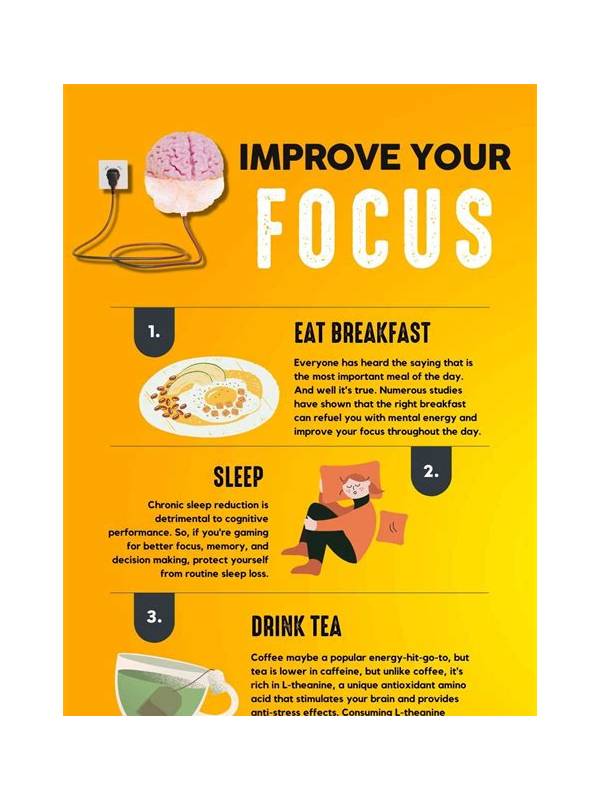
Rummy Safety: Protect Your Focus During a Long Session
Short breaks and simple environment checks help prevent fatigue from turning into costly mistakes. [...]