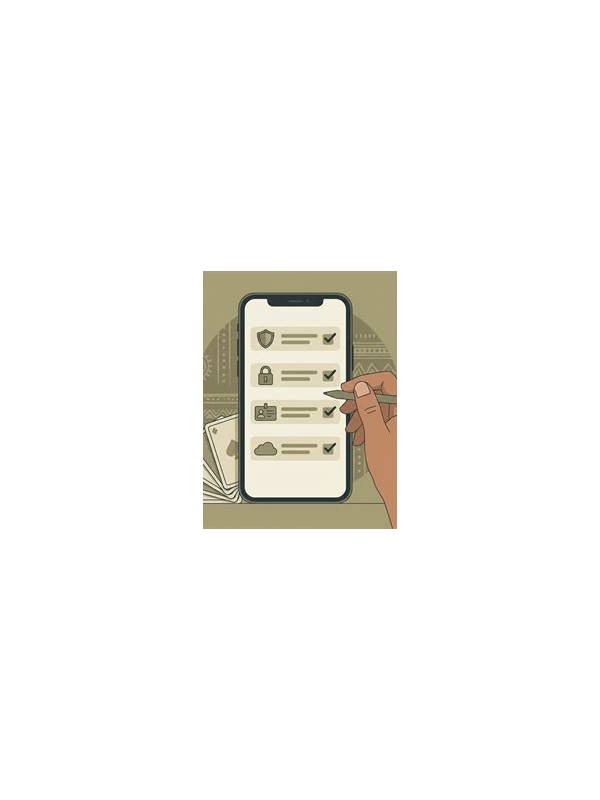
Rummy How-To: Make a Table-State Snapshot

Before making a difficult rummy decision, pause long enough to describe the table as it is now. This table-state snapshot is not a prediction and it is not a complete memory exercise. It is a compact inventory of visible information that keeps a dramatic moment from taking over the decision.
Start with your own hand. Count the cards, group obvious sequences and sets, and mark the cards that currently have more than one useful role. Then identify unfinished needs: a missing middle card, a second matching rank, or a joker placement that still requires checking. Do not call a group complete until it satisfies the rules of the variant you are playing.
Next, look at the open discard area. Note the recent cards and any card that has been repeatedly avoided. The purpose is not to infer an opponent’s entire hand. It is simply to know which information is available and which cards remain uncertain. A visible card can guide a cautious choice, but it cannot prove what another player holds.
Record the game state in four short phrases: hand shape, urgent need, useful alternative, and next check. For example, you might write, “one pure sequence, one narrow draw, high-card exit available, reassess after next draw.” This language is deliberately modest. It gives you a plan without pretending to know the result.
Finally, check practical conditions. Is the timer comfortable? Is the connection stable? Are notifications or conversation making you rush? A technically sound table can still produce poor decisions when attention is divided. If the environment is unreliable, choose a simple legal action and address the interruption afterward.
Use the snapshot at the opening, middle, and end of a hand. At the opening, it prevents premature commitment. In the middle, it shows whether a plan is still earning its place. Near the end, it turns a vague feeling of readiness into a specific declaration check. Keep each snapshot brief; its value comes from consistency, not detail.
After the hand, compare the snapshot with what actually happened. Which fact was useful? Which assumption was unsupported? This review improves observation without encouraging overconfidence. Over time, the habit makes crowded hands easier to read and gives each decision a clear starting point. Use the same wording when discussing a hand with a practice partner. A shared snapshot makes feedback concrete: one person can challenge an unsupported assumption while the other checks the rules. The habit is valuable on mobile screens too, where a deliberate summary compensates for small text and limited room for rearranging cards.
Related Post
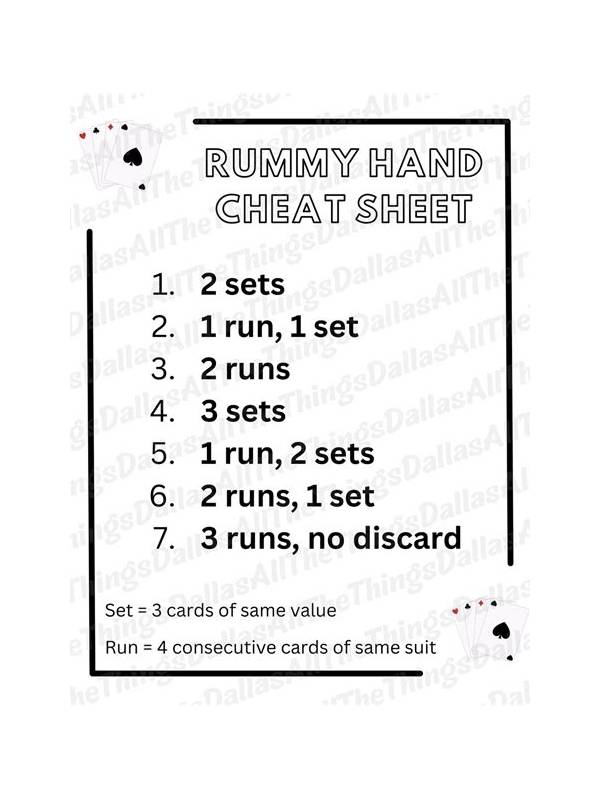
How to Compare Rummy Hands Using Expected Improvement
A simple expected-improvement review compares how much each hand plan could improve and what it [...]
Rummy FAQ: When Is a Flexible Card Actually Narrow?
A card is only practically flexible when its possible jobs are legal, plausible, and compatible [...]