Rummy Guide: Calibrate Risk Language Before a Decision

Players often make a hand harder to read by using one word for several different situations. Saying that a card is “needed” may mean it completes a group, improves a plan, or merely looks attractive. Calibrated language separates these ideas and helps you choose with less emotional pressure.
Use “required” only for a condition that the rules demand. In a declaration, a pure sequence may be required, while a particular rank is usually not. Use “helpful” for a card that improves an existing arrangement but is not essential. Use “possible” for a card that creates a new line worth considering. These three labels prevent a speculative draw from feeling like an obligation.
Add a time label when useful. “Helpful now” is different from “helpful if the hand stays open for several turns.” A broad connector may be valuable early because it supports multiple plans, yet less attractive late when only one exact card can finish the hand. The card did not change; the decision window changed.
Risk language should also describe the cost of waiting. A narrow draw has a chance of success, but it may leave expensive leftovers if it fails. A safe discard may reduce points immediately while giving up flexibility. State both sides in one sentence: “This draw is possible, but it costs one turn and leaves two high cards if missed.” That sentence is more useful than “This is my best chance.”
When comparing two moves, give each the same vocabulary. Ask which move contains a requirement, which contains helpful improvements, and which relies on possibility alone. Then ask whether the game format, turn position, or visible discards change the balance. Do not use certainty merely because one option feels familiar.
The method is especially valuable after a lucky draw or a frustrating loss. Strong emotion tends to turn “could” into “must.” Repeating the labels restores proportion. It also makes post-game review easier because you can see whether a requirement was genuine or invented during the hand.
Keep the language short enough to use at the table. “Required, helpful, possible” can be remembered in seconds. With practice, it becomes a quiet internal checklist: What does the hand require? What would help? What is only possible? That distinction supports patient choices without pretending that rummy offers perfect information. In written notes, avoid labels such as “good” and “bad” unless you define them. A card can be good for flexibility and bad for immediate completion at the same time. Naming the dimension prevents arguments with yourself and makes later comparisons more accurate. It also keeps advice useful across different table formats and scoring systems.
Related Post
How to Organize Rummy Cards for Faster Visual Scanning
A consistent sorting layout reduces search time and makes missing connections easier to see. [...]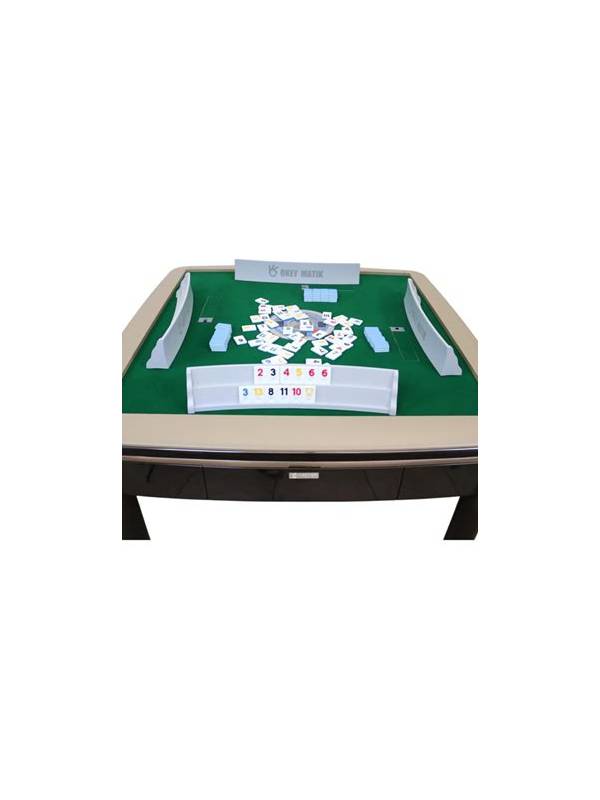
Rummy Table Tour: What to Check in a New Variant
A short table tour helps you understand an unfamiliar rummy variant before the first meaningful [...]