Rummy Guide: Separate a Useful Card From a Merely Attractive Card
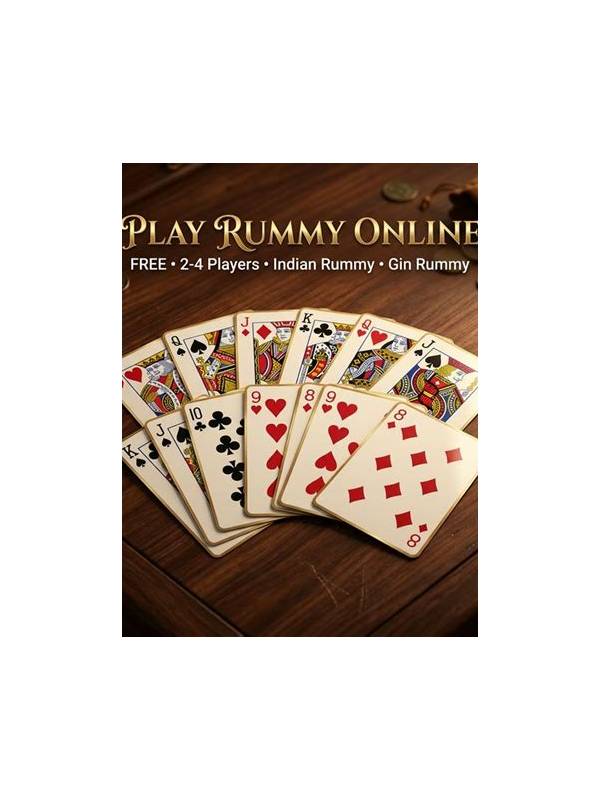
In a rummy hand, an attractive card is not always a useful card. A pair of connected ranks can look exciting, yet it may need several unlikely draws before it becomes a legal group. Meanwhile, an ordinary-looking card may already support a sequence, protect a low point total, or keep two plans open. Separating appearance from usefulness leads to calmer decisions.
Start by assigning every card a current job. It may belong to a confirmed sequence, support a possible sequence, form part of a set, or remain unassigned. Confirmed groups deserve protection, but possible groups need a second question: how many different cards would complete them? A card that needs one of four remaining ranks is more flexible than one that needs a single exact card. Count the route, not just the picture in your head.
Next, check whether the card overlaps with another plan. An eight that can join a seven-nine sequence and also match two eights has two jobs. That overlap can be valuable, but only while it remains realistic. If keeping the eight prevents you from releasing a high-point card, compare the cost of waiting with the value of the extra option. A card with two theoretical jobs may have only one practical job if the other route is blocked.
The discard pile provides context. If the cards needed for a plan have already appeared, downgrade the plan. Do not assume an opponent’s discard is available just because it is visible; taking it may reveal your intention and may be impossible under the table rules. Use visible information to update probability, not to create certainty.
Finally, test the card against your next two turns. Ask what you will discard if you draw nothing helpful, and what you will discard if you draw one helpful card. If both answers are clear, the hand is under control. If the card leaves you with no safe follow-up, its attractiveness is probably distracting you. Good card evaluation is a repeatable comparison of routes, costs, and fallback choices.
It also helps to separate a card’s role from your attachment to it. A card drawn recently may feel more valuable because it is fresh in memory, while an older card may quietly be doing important work. Re-sort the hand after each turn and judge both cards by the same checklist. This small reset reduces anchoring and makes it easier to release a card when the evidence changes.
Related Post
Rummy Comparison: Early Discard and Late Discard Priorities
Early and late turns call for different discard priorities because the value of flexibility changes. [...]
Rummy How-To: Build a Simple Endgame Decision Tree
Create a compact decision tree for choosing safe endgame actions when the hand is nearly [...]