Rummy Tips: Test a Candidate Meld by Removing It
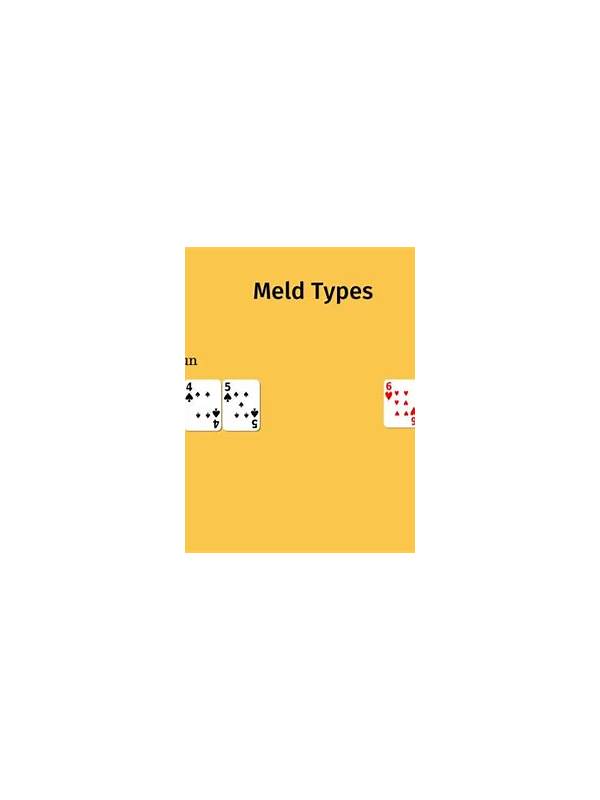
When a candidate meld looks attractive, remove it mentally or rearrange it away from the rest of the hand. The purpose is not to break a legal group permanently. It is a test: does the remaining hand become clearer, or does it expose that the proposed meld was borrowing a card needed elsewhere?
Start with the candidate group and list each card’s other possible role. If one card is the only bridge to another sequence, the group may be less secure than it appears. Check the leftovers for points, duplicate ranks, and isolated cards. A group that leaves one manageable loose card may be stronger than a group that leaves three expensive ones.
Then restore the group and compare two arrangements. Ask which one has fewer unresolved needs, which one has a safer next discard, and which one respects the variant’s declaration requirements. The test is about structure, not about imagining every possible future draw.
Use the removal test before accepting an open discard, before breaking a pair, and during a final declaration scan. Do not perform it endlessly. If two arrangements are close, choose one, set a review point, and continue with attention on the next legal decision.
The test is especially useful for cards that appear in overlapping ideas. Lay out the candidate meld separately, then inspect whether the remaining cards form a clear backup. If they do not, ask whether the meld is worth the resulting uncertainty. A legal group can still be strategically awkward when it consumes the only connector. Conversely, a modest group may be valuable because it leaves the rest of the hand easy to scan. Record one sentence about what the removal revealed, then move on.
Repeat the test only when new information changes the candidate. Rechecking the same arrangement every few seconds can become avoidance disguised as analysis. Set a limit, choose the clearest legal arrangement, and reserve a later review for the next meaningful draw. The objective is better structure, not perfect certainty.
Practice with sample hands by testing three candidate groups and recording what each removal reveals. Over time, you will notice that the best meld is not always the one that looks most complete. It is often the one that makes the entire hand easier to finish and verify.
Once you have made the test, return the cards to one clear arrangement. Leaving several temporary layouts on screen can create a new source of confusion. The check should clarify a decision, not multiply it.
Related Post

Rummy Guide: Build a Simple Information Ledger
An information ledger helps organize visible cards, assumptions, and changing possibilities during a rummy hand. [...]
Rummy Safety: Set a Spending Boundary Before Playing
A pre-set spending boundary keeps entertainment decisions from changing under excitement or frustration. [...]