Rummy How-To: Make a One-Minute Recovery Checklist
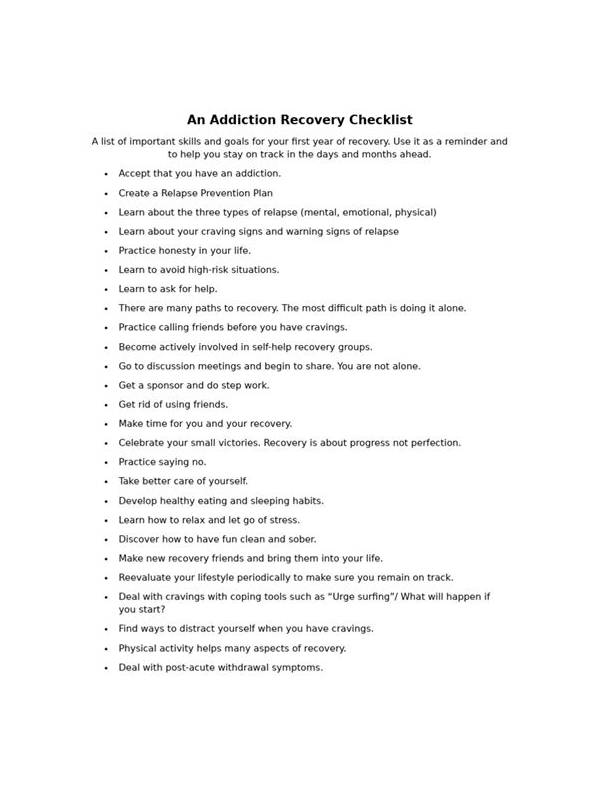
After an interruption, do not resume by touching the first card you notice. Use a one-minute recovery checklist. First confirm whose turn it is and what action the table expects. Second verify the variant and any timer. Third reread your hand from the beginning. Fourth identify your current groups and loose cards. Fifth choose the next action only after these facts are clear.
If the interruption involved a technical problem, check whether the draw or discard was actually recorded. Look for the table’s visible history or status indicator rather than relying on memory. If the state is ambiguous, use official support or the platform’s recovery process. Never send account credentials or verification codes to another player offering help.
For a misread card, name its rank and suit again. Then check whether your previous plan depended on the error. If it did, mark that plan as unconfirmed and rebuild the hand from the visible state. A wrong assumption is easier to correct when it is stated plainly.
Keep the checklist somewhere private and general. It should contain reminders, not personal data. Practice it during low-pressure rounds so the sequence feels familiar. The goal is not to recover instantly; it is to recover accurately before making a decision that cannot be reversed.
If you return after several minutes, take the longer version of the routine even if the table is urging speed. Confirm the last recorded action, count the cards, and compare the hand with any visible history. Ask support for clarification if the interface does not show enough information. A recovery checklist is successful when it prevents a second mistake. It is acceptable to miss a turn or leave a table if that is the safest available option.
After recovery, make the next decision deliberately simple. Choose a legal action whose consequences you understand, then rebuild the broader plan on the following turn. Avoid trying to compensate for lost time with a risky move. A calm restart protects both the hand and your confidence in the table state.
If you remain confused, pause or leave when the platform permits. A missed opportunity is smaller than a rushed declaration, an accidental payment, or a decision made without knowing the table state.
When you resume later, begin with the same checklist rather than trusting a vague memory of where you stopped. Consistency makes interruptions easier to manage and gives you a clear reason to end a session if the state cannot be verified.
Related Post

Rummy Card Counting Myths: What Observation Can and Cannot Do
Learn the difference between noticing discards and believing that memory can guarantee the next rummy [...]
Rummy Practice Layouts: Compare Cards on Paper and Screen
Compare physical and digital practice layouts to improve accuracy across interfaces. [...]