Rummy Safety: Set a Cooling-Off Period
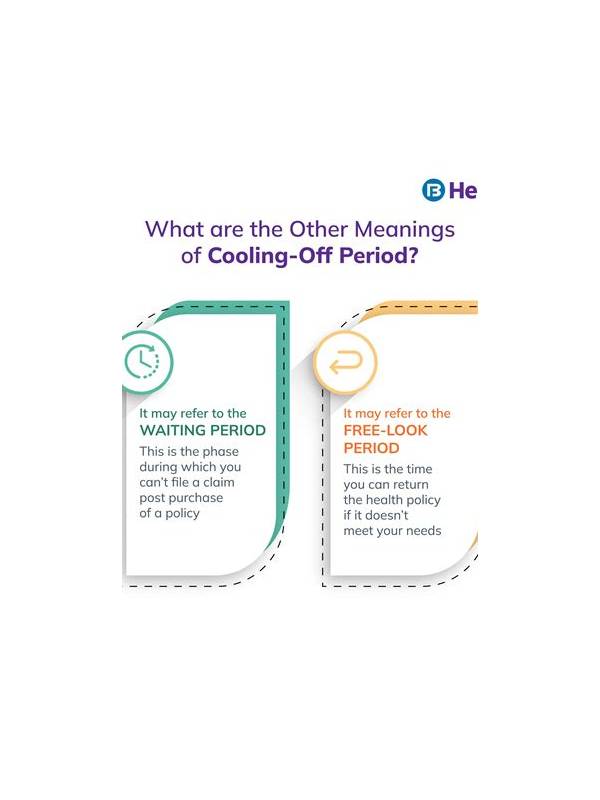
A cooling-off period is a prearranged pause after a stressful result, technical problem, or sudden urge to continue. It is easier to follow a rule made while calm than to negotiate with yourself in the middle of frustration.
Choose the trigger before starting. Triggers may include reaching a time limit, losing a planned amount, feeling angry, trying to recover a loss, or noticing that you are making decisions without reading the hand. The trigger is not a judgment about your character. It is an early warning that decision quality may be changing.
Set the length and the action. A pause might mean leaving the table, putting the device away, drinking water, or taking a short walk. Do not use the break to study promotions or search for another table. The purpose is to separate the emotional moment from the next decision.
During the pause, ask three neutral questions: Am I rested enough to choose clearly? Am I trying to recover something? Would I make the same choice if there had been no previous result? If the answers are uncomfortable, extend the break or end the session. There is no strategic requirement to resume.
Write the rule where you can see it, and tell a trusted person if external accountability helps. Keep payment tools and game decisions separate. Never increase a budget merely because a result was disappointing. Follow the limits and legal requirements that apply to your location and account.
You can practise the pause rule during free games or hand reviews. Stop at the chosen trigger and notice whether your attention changes. If the rule is too vague, make it more observable, such as “after thirty minutes, take ten minutes away from the screen.”
Cooling off is not a strategy for winning. It is a safety tool for protecting time, money, and attention. A session that ends calmly is a successful use of the rule, regardless of the cards that came before it.
Write the cooling-off rule in observable terms. “Stop when I feel bad” can be difficult to apply, while “leave the table for fifteen minutes after I notice myself planning to recover a loss” is easier to recognize. If the pause repeatedly fails, strengthen the boundary by ending the session automatically or asking a trusted person to help you keep it.
Related Post
Rummy Safety: Pause Before Sharing a Verification Code
A short verification-code safety check can prevent account access problems when a message or caller [...]
Rummy Probability Basics for Everyday Decisions
Simple probability habits can make rummy choices clearer without requiring complicated mathematics. [...]