Rummy Comparison: Open-Ended Draws Versus Pair-Based Draws
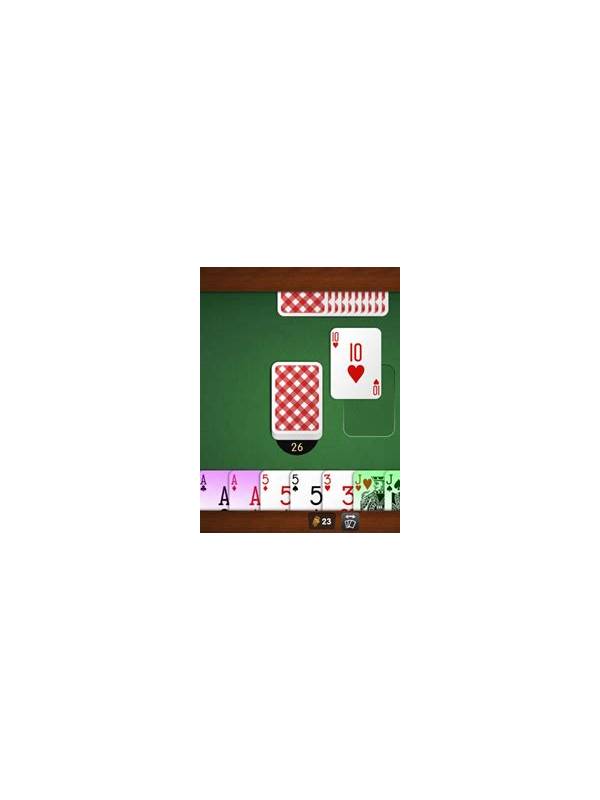
An open-ended sequence draw and a pair-based set draw can both look promising, but they behave differently. Understanding the difference helps you choose a route that fits the stage of the round and the risk you can tolerate.
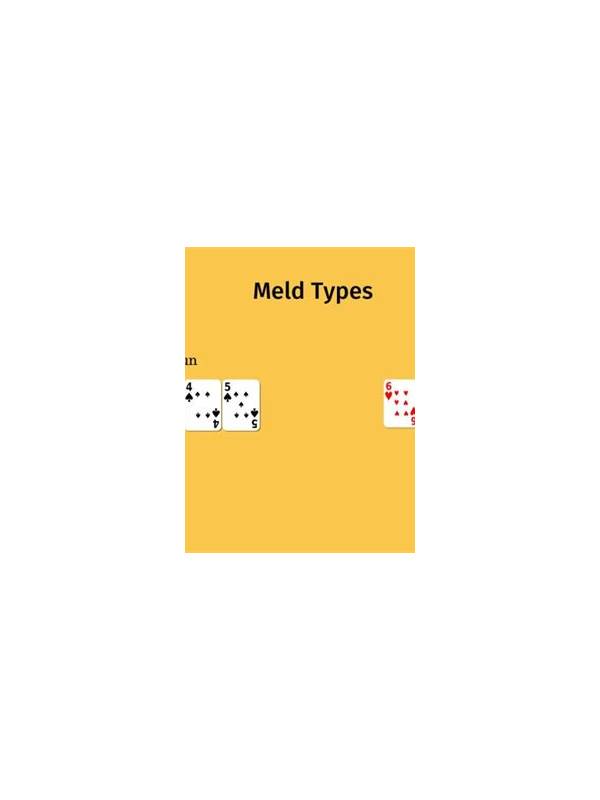
An open-ended sequence has a connected pair that can usually be extended in two directions. Its main strength is breadth: more ranks may improve it, and a successful draw can create a stable group quickly. Its weakness is that the pair may be visible and easy for other players to read. It can also compete with neighboring cards that would be more useful elsewhere. Check the exact rules of the format because the legal sequence and joker treatment can change the practical value.
A pair-based set draw focuses on matching rank across suits. It can be attractive when multiple suits remain possible, especially if the pair is low cost. However, it may depend on fewer useful cards than the player first assumes. If one matching suit is already visible or held in a known group, the real route can be narrower. A pair can also consume a card that would have helped a sequence, so count the alternatives before committing.
Compare the two routes across four questions. Which has more plausible completions? Which leaves the cheaper fallback if it misses? Which cards can be discarded without damaging another group? Which plan is easier to finish while meeting the required pure or valid sequence conditions? Do not answer only with a draw count. A broad route with high-point leftovers may be less safe than a narrower route with a clean exit.
Early in a round, flexibility often deserves more weight. Near the end, the plan with a clear finishing path and lower exposure may be better even if it has fewer theoretical outs. Recheck after every draw, because the balance can change quickly. The best comparison is not open-ended versus pair-based in the abstract; it is which structure gives your particular hand the most credible next step.
Do not confuse a visible combination with a guaranteed one. Opponents may hold the cards you need, a duplicate may have already appeared, or the draw may simply fail. Keep a cheap release available whenever possible. That release gives you time to compare the two routes again after the next turn instead of forcing a dramatic commitment based on the first attractive pattern.
It can help to score each route on a small scale: flexibility, penalty exposure, and ease of recovery. The score does not need to be mathematical. A route that is slightly less flexible but much easier to abandon may be the better choice when the table is moving quickly. Recheck the comparison after an opponent takes a relevant discard or after a required group is secured.
Related Post
Rummy Guide: Identify the Hand’s Bottleneck
Finding the single requirement or card route that limits a hand can make the next [...]
Rummy Comparison: Short-Term Points and Long-Term Flexibility
Compare immediate point reduction with future flexibility when two rummy choices appear equally safe. [...]