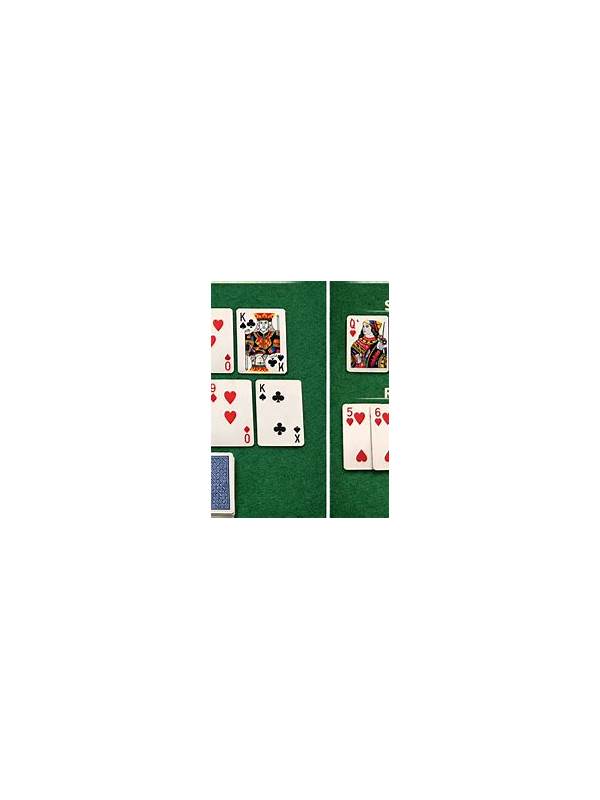
Rummy Guide: Build a Flexible First Meld
The first meld in a rummy hand is more than a way to reduce your card count. It is also a statement about where your hand can go next. A rigid opening meld may look attractive, yet leave you waiting for one exact card. A flexible meld gives up a little immediate certainty in exchange for more ways to improve.
Start by listing the combinations already visible in your hand. Mark completed runs, completed sets, and near-combinations separately. Then ask which completed group uses the fewest cards that could serve another purpose. A three-card run with an open end often has more future value than a set made from cards that also connect naturally to a second run.
When you have a choice, prefer a meld that leaves connected cards together. For example, if two cards can join either an existing run or a possible set, do not separate them automatically. Consider the next two turns. A good first meld should leave at least two plausible improvements, not merely one attractive arrangement.
Flexibility does not mean refusing to meld. In a fast game, delaying a legal, low-risk meld can give opponents time to finish. Instead, compare the cost of acting now with the cost of preserving options. If the cards outside the meld are scattered and expensive, taking the secure reduction is usually sensible. If the meld consumes your only bridge between two promising groups, pause and evaluate.
After laying down the meld, record what remains. This small habit prevents you from mentally counting cards that are no longer in your hand. It also makes the next discard easier because you can judge the unmelded cards on their own merits. The best opening meld is not always the most impressive one; it is the one that improves your position while keeping tomorrow’s decisions open.
Use a small written example when practicing. Deal a hand, form two legal opening layouts, and cover the next few cards in the deck. Compare how many of those cards help each layout and how many leave an awkward remainder. The exercise teaches you to value optionality without treating every possibility as equally likely. It also reveals personal habits: some players close a set too quickly, while others preserve a fragile run for too long. Keep the layout that gives you useful choices and a clear point at which to change course.
Related Post
Rummy How-To: Audit a Near-Complete Hand
A final audit checks both card patterns and rule requirements before a near-complete rummy hand [...]
Rummy Tips: Audit Your Hand Before the Middle Turns
A short midgame audit can reveal weak combinations before they consume too many draws. [...]