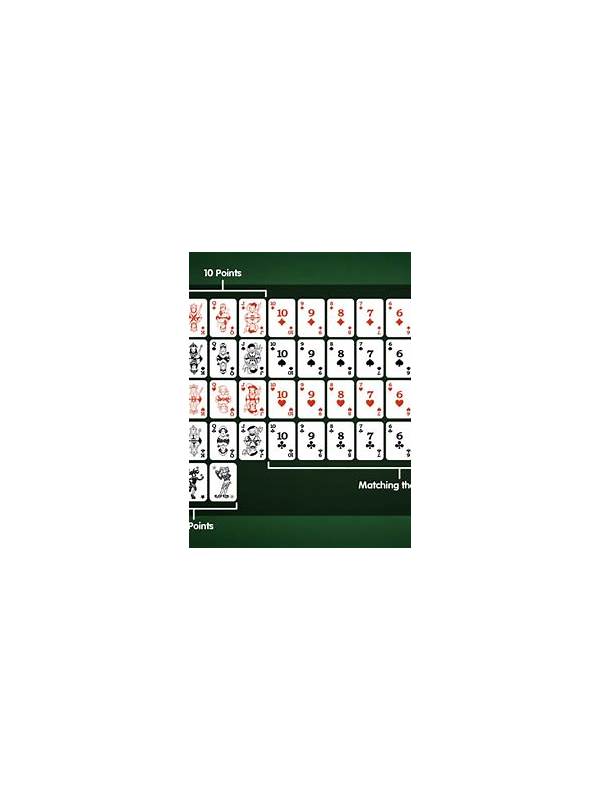
Rummy Guide: Review Your Hand by Risk, Not Just by Group Count
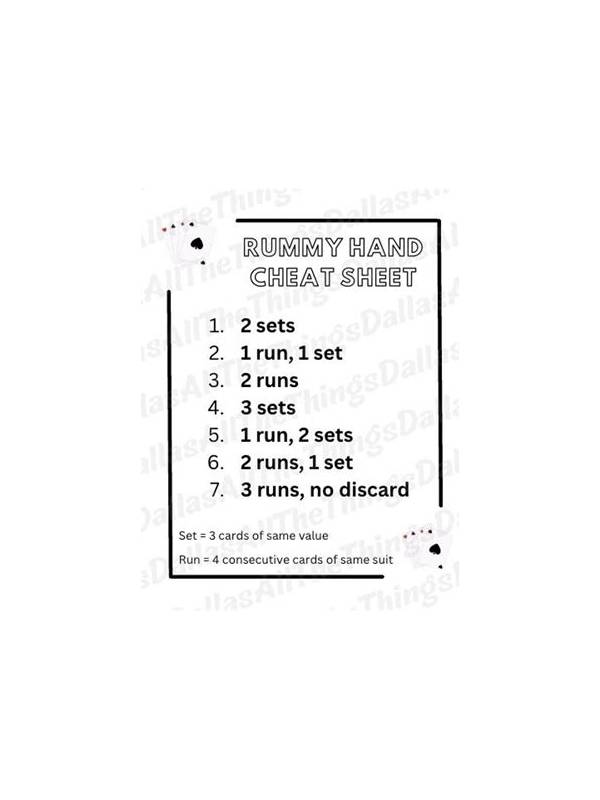
Counting groups is a useful start, but it is not a complete hand review. Two hands can each contain two groups while one is nearly finished and the other is carrying several fragile, high-point leftovers. Add risk to your review to see the difference.
Begin with point exposure. Mark cards that are ungrouped and costly if an opponent declares. Then mark structural exposure: pairs that need exact cards, groups that use a bridge card, and plans that compete for the same rank. Finally, mark timing exposure: routes that require more turns than the round may provide. These three categories show where a hand can fail.
Now inspect flexibility. How many cards can improve each unfinished group? Can one discard serve as a safe release? Can a new card support more than one plan? A hand with fewer groups may still be healthier if it has broad routes and cheap fallbacks. Conversely, a tidy-looking hand may be fragile if every completion depends on one rank.
Include the table context without overreacting. A player who is drawing quickly or discarding few cards may be close, but that is not certainty. Use the signal to adjust your deadline and protect against unnecessary risk. Do not abandon a sound hand solely because of a guess about another player.
Finish the review with one action rule: what will you discard if the next draw misses? If you cannot answer, the hand needs simplification. Risk-based review turns “How many groups do I have?” into better questions: what can break, what can recover, and what must happen next? Those questions remain useful across different rummy formats, provided you confirm the local rules first.
Make the review visual if that helps: place confirmed groups together, uncertain pairs beside a note of their needed cards, and isolated cards in a separate row. The physical or on-screen arrangement should show which cards are working and which are waiting. Then choose a discard that reduces the most dangerous row without destroying a confirmed requirement. This turns risk assessment into an action rather than a vague feeling.
Risk is not the same as pessimism. A hand with several options can tolerate a missed draw, while a hand with one elegant route may not. The review should identify where recovery is possible and where it is not. Use that information to set a deadline and choose a discard, not to predict a guaranteed result.
Related Post
Rummy FAQ: How Should You Value a Printed Joker?
A printed joker is flexible, but its best use depends on the groups your hand [...]
Rummy How-To: Review a Hand by Decision Junctions
Reviewing only the turns where several choices were possible produces a more useful lesson than [...]