Rummy Session Planning for a Busy Day
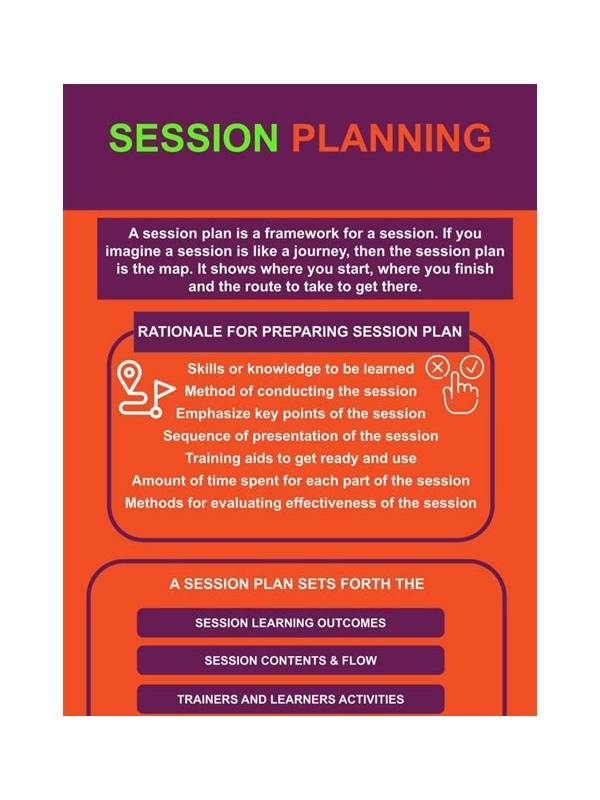
On a busy day, the main rummy decision may be whether there is enough uninterrupted time to play at all. A session started between errands or meetings can create distraction, missed turns, and pressure to continue after the planned stop. A simple plan keeps the activity in its proper place.
Check the next hour before opening a live table. If you have a scheduled call, travel, childcare duty, or task with an uncertain end time, choose practice mode or postpone the session. A live table is not a good place to discover that you must leave in five minutes. Read the platform’s interruption rules, but do not depend on them to protect a rushed decision.
Set three boundaries: a start condition, a stop time, and a spending limit. The start condition might be “only after the important task is finished.” The stop time should be an actual clock time, not “after one more hand.” The spending limit should be chosen before results create an urge to recover losses or extend a winning streak.
Prepare the device. Charge it, check the connection, enable a focus setting, and place the phone where notifications are less distracting. Do not silence alerts that you genuinely need for work or family responsibilities. If the environment changes, treat that as new information and be willing to stop.
Use a session objective that is not based on winning. You might review one decision pattern, practice sorting, or play a fixed number of hands. A process goal makes it easier to end on time because the session does not need a favorable result to feel complete. Record one lesson afterward and close the app.
Watch for boundary drift. Common signs include moving the stop time, raising the limit, or opening a new table immediately after a disappointing hand. When one appears, pause for a few minutes away from the screen. If the urge remains, end the session and return another day.
Planning does not remove uncertainty from rummy, but it removes avoidable uncertainty from the surrounding day. Choose a suitable time, protect attention, define limits, and let the session end when the plan says it should. A busy day can also make losses feel more personal because attention is already divided. Treat the result as a signal about the session conditions, not as a reason to chase an outcome. The next decision can wait until you have time, privacy, and enough concentration to follow the boundaries you set.
Related Post

Rummy Comparison: Open Information Versus Hidden Information
Separating known cards from assumptions makes rummy analysis more accurate and less stressful. [...]
Rummy Guide: Use Suit Balance to Organize Your First Look
Use suit balance as an organizing tool without mistaking it for a complete rummy strategy. [...]