Rummy Tips: Treat a Wild Card as a Temporary Loan
Wild cards can repair gaps, extend sequences, or complete groups, but their flexibility can also create indecision. A useful mental model is to treat a wild card as a temporary loan. You may use it for a purpose now, but you should keep checking whether that purpose still earns the card’s cost.
List the jobs the wild card could perform. If it completes a sequence immediately, compare that result with keeping it available for a more valuable group. Consider how many ordinary cards each option requires and whether the rest of your hand supports the plan. The aim is not to save the wild card forever; it is to spend it where it removes the most uncertainty.
Once you assign the card to a meld, mark that assignment as provisional until the structure is secure. A new draw may create a natural completion, allowing the wild card to move elsewhere. Or the original group may become too expensive to finish. Being willing to reassign the card prevents one early decision from controlling the entire hand.
Also consider the risk of holding it late. A wild card may have a high penalty under some scoring systems, and a hand that cannot use it can become more dangerous as the round closes. Check the rules you are playing and treat the scoring consequence as part of the decision, not as a surprise at the end.
The loan metaphor encourages disciplined flexibility. You protect the card while it solves a real problem, review the agreement when new information arrives, and return it to the most useful role when circumstances change. That is more practical than either wasting a wild card immediately or keeping it untouched out of fear.
Related Post
Rummy Guide: Test a Meld Before You Commit
Use a short pre-commit test to keep promising cards from becoming rigid mistakes. [...]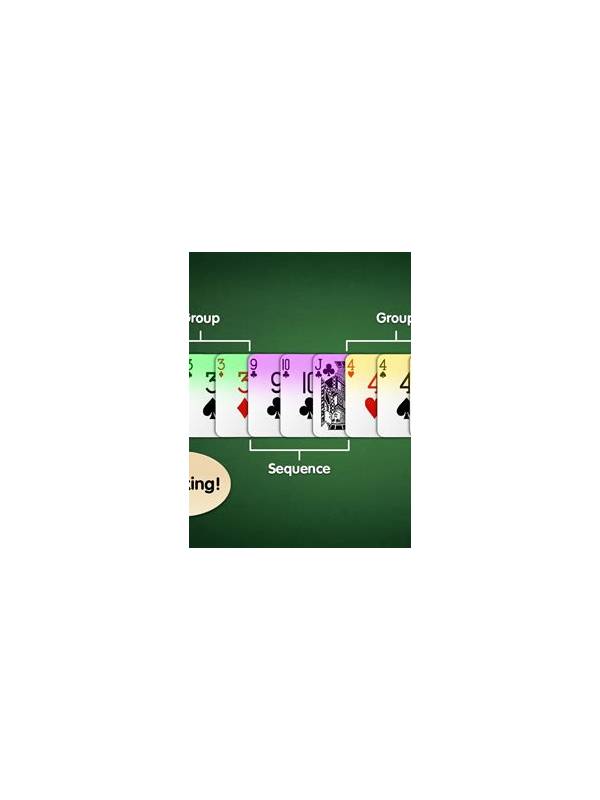
Rummy Hand Clarity: Three Passes Before a Discard
Three quick inspection passes help players choose discards with less confusion. [...]