Rummy FAQ: Is a Fast Meld Always the Best Meld?
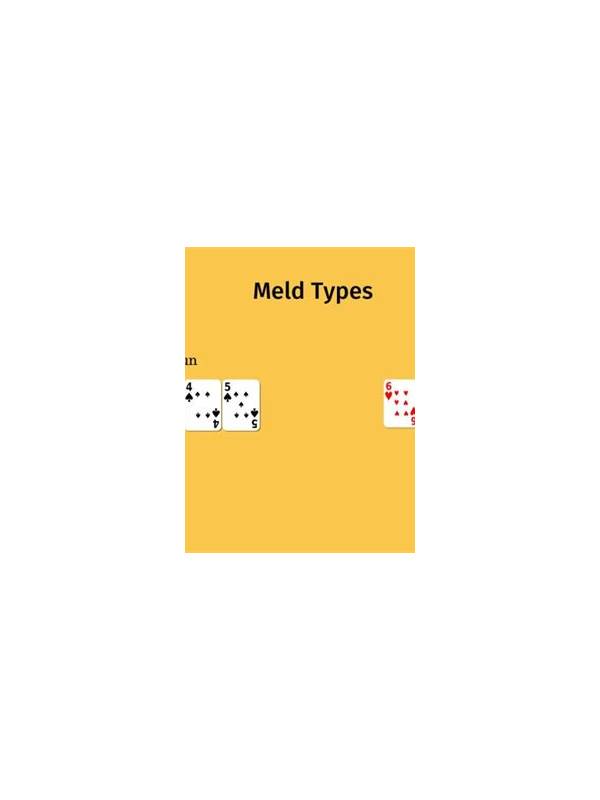
A fast meld is not automatically the best meld. Completing a group can reduce cards and create confidence, but it may also consume a card that supports a stronger arrangement. The right question is what the meld does to your entire hand.
Start with the immediate benefit. Does the meld remove a high-value card, reduce the number of loose cards, or protect you from a likely end to the round? If yes, speed has meaningful value. If it merely makes the hand look tidy while leaving several difficult cards, the benefit may be smaller than it appears.
Then check opportunity cost. A card used in a quick set might also extend a sequence. Compare the number of missing cards for each plan and the quality of the fallback. A slightly slower plan can be better when it keeps two useful routes open, while the fast meld leaves only one narrow possibility.
Table context matters. If an opponent is close to finishing, reducing your hand may deserve priority. If the hand is still developing, preserving flexibility can be worth more. Rules also differ, so account for whether completed melds are safe, whether cards can be rearranged, and how penalties are calculated.
Finally, ask whether you can explain the choice in one sentence. “I completed this to remove a dangerous card” is a clear reason. “It looked satisfying” is not a strategy. A fast meld is strong when it improves your position under the current rules and leaves a sensible next step.
Related Post
Rummy Practice Variations for Improving Pattern Recognition
Focused practice variations can strengthen rummy pattern recognition while keeping sessions short and purposeful. [...]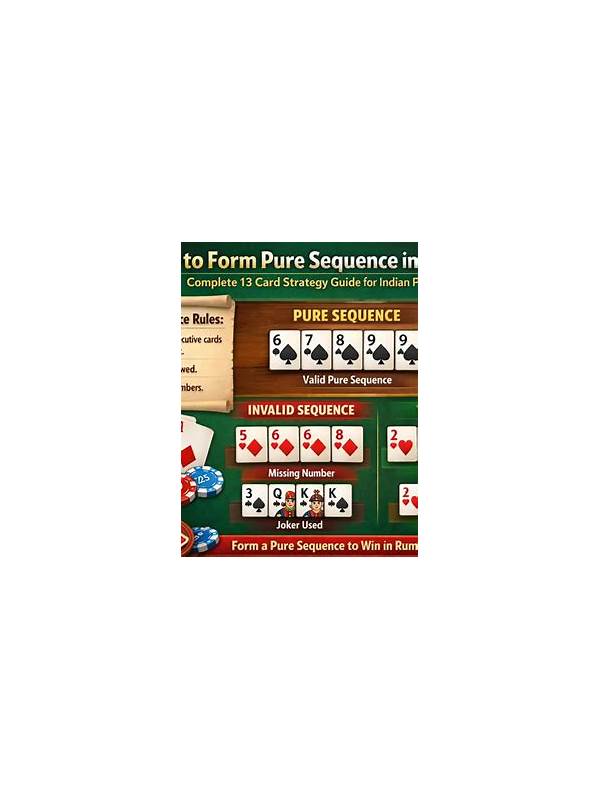
Rummy How-To: Test a Sequence Before Holding It
Testing a possible sequence against alternatives can prevent one attractive connection from controlling the whole [...]