Rummy Tips: Give Your Discard a Destination Test
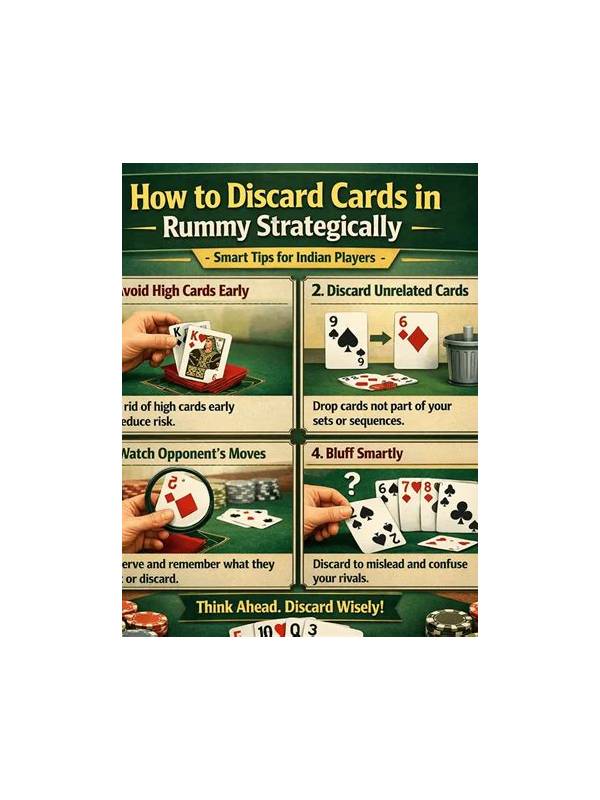
Every discard enters the shared information of the table. A destination test asks two questions: where could this card help another player, and how strong is that possibility? The test is not about guessing perfectly; it is about noticing avoidable gifts.
Look at visible melds first. If an opponent has an exposed sequence beside the card, the destination is obvious. Next inspect recent picks and discards. Taking related cards can indicate interest, but passing them can also be deliberate or meaningless. Treat these clues as evidence with different strengths.
Now compare the destination risk with your own need to discard. If the card is isolated, costly, or blocking a better plan, releasing it may still be correct. A small chance of helping someone should not force you to keep a card that damages your hand.
Run the test before the discard, not after seeing an opponent pick it up. Hindsight makes every gift look obvious. At the end of the hand, review whether the risk was visible at the time. If not, do not invent certainty after the result.
The destination test is especially useful when two discards have similar value to you. Choose the card with the less concerning destination, or the one whose possible use is harder for an opponent to turn into a complete meld. Keep the comparison quick so it supports play rather than replacing it.
This habit improves awareness without requiring perfect card counting. You still accept that opponents may draw from the hidden pile or pursue plans you cannot see, but you stop treating every discard as information-free.
The test is strongest when the discard relates to a card an opponent has already shown interest in. It is weaker when the table has little exposed information, so keep the conclusion modest. Label a destination as low, medium, or high concern and continue with the rest of the hand. If a player takes the card, review what you actually knew rather than assuming the destination was obvious. This makes the habit useful without creating fear around every ordinary discard. Use the destination test as a final comparison, not as a ban on useful cards. A card that helps you substantially can still be correct to take or keep when the opponent risk is only speculative.
Related Post
Rummy How-To: Use a Reset Point During a Long Session
A planned reset point helps you clear stale assumptions and make the next hand with [...]
Rummy FAQ: Why Do Two Similar Hands Need Different Moves?
Small changes in public information, score, or remaining turns can make different decisions correct for [...]