Rummy FAQ: Should You Keep a Pair That Blocks a Sequence?
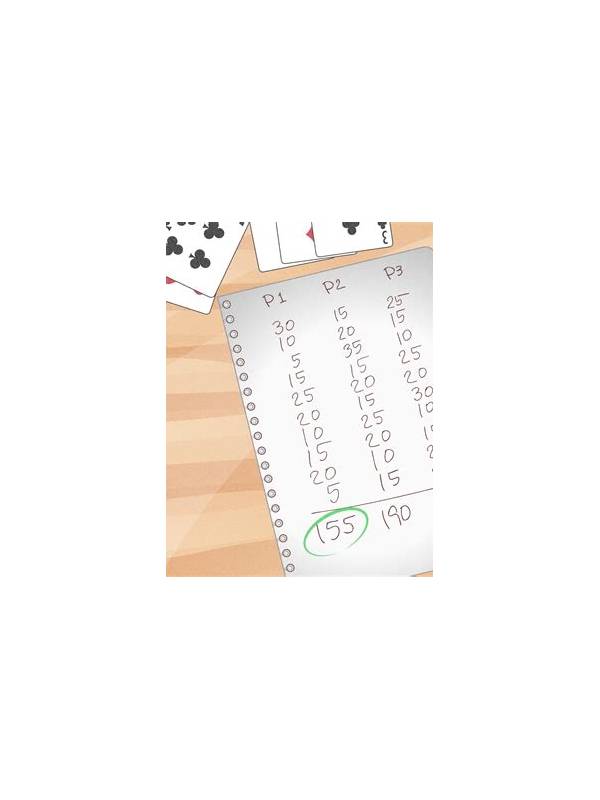
A pair can feel safe because it already contains two matching ranks. Yet it may also use a card that would extend a sequence. There is no universal answer; compare the pair and sequence as competing plans.
Count what each plan still needs. A pair may need one matching suit card, while the sequence may need one of two neighboring ranks. The number of useful cards matters, but so does the result if the plan succeeds. A completed group that removes difficult cards may be worth more than a smaller improvement.
Check whether the pair is duplicated elsewhere. If you hold several cards of the same rank, breaking one connection may leave another set route. If the pair is your only route to a group and the sequence is speculative, preserving the pair can be sensible.
Use timing. Early in a hand, keeping both possibilities may be reasonable. Later, unresolved plans compete for limited draws. Set a checkpoint for the weaker route and release it when the evidence does not improve.
Consider the discard destination too. Breaking a pair may release a card that helps an opponent, while breaking the sequence may release a card with little visible value. This factor can decide a close comparison, but it should not rescue a plan that is already unlikely.
The best choice is the one with the clearest next step and the least damaging fallback. A pair is not sacred, and a sequence is not automatically superior. Evaluate the structure that the whole hand can support.
Make the comparison concrete by writing the pair route and sequence route in two columns. Under each, list the next useful cards, the cards that would remain awkward, and the safest fallback if the route fails. The column with the most exciting completion is not necessarily the winner. Prefer the one that gives you a reasonable action after an ordinary draw. Once you choose, set a checkpoint and reopen the comparison only when new evidence changes the available routes. The hand does not need to preserve every possibility. Choose the route you can explain, set a checkpoint, and be willing to change when the table provides better evidence. That is disciplined flexibility.
Related Post
Rummy Card Bridges: How to Spot Links Between Groups
A guide to finding cards that connect two possible rummy plans without counting them twice. [...]
Rummy Comparison: Fast Sorting Versus Careful Sorting
Compare two ways to arrange a rummy hand and choose the method that fits the [...]