Rummy Safety: Verify Rule Variants Before Using Familiar Advice

Many rummy formats share vocabulary while changing important details. A tactic that is sound in one version can be illegal or inefficient in another. Before relying on familiar advice, verify the rules that affect your decisions most.
Check the required melds and declaration conditions. Some formats require a pure sequence, a particular number of groups, or a specific final action. Also confirm whether cards can be rearranged after laying them down and whether exposed melds remain available to all players.
Review wild-card treatment. A wild card may substitute for a missing rank in one format, have restrictions in another, or carry a special penalty when left in hand. Do not assume that a general tip about saving or spending wild cards transfers unchanged.
Understand scoring and round endings. A low card may still matter if the format counts groups differently. A player with fewer cards may not be ahead if penalties or bonuses use another measure. Ask how ties, invalid declarations, and unfinished hands are handled.
Use official table instructions or a trusted host when rules conflict. Avoid relying on a stranger’s confident summary, especially where money or account access is involved. If the rules cannot be located clearly, choose a practice table or leave.
Rule awareness is part of safety because it protects time, money, and fair expectations. A familiar strategy is only useful after you confirm that the table actually uses the conditions it assumes.
Make a small rules checklist for formats you play regularly. Include opening hand size, draw and discard order, wild-card limits, declaration requirements, and penalty calculation. Read it before a new table rather than trusting memory. If an interface automates part of the process, verify what it is doing and what remains your responsibility. This matters after an update or when joining a table hosted by someone else. Clear rules reduce disputes and distinguish a strategic mistake from an unfamiliar variant. A rules check also protects social fairness. Everyone should know what counts as a legal meld, how a round ends, and what happens after an invalid action. Clarity is easier to establish before play than during a dispute.
Confirming rules is a small investment with a large practical benefit.
Read them before play.
Related Post
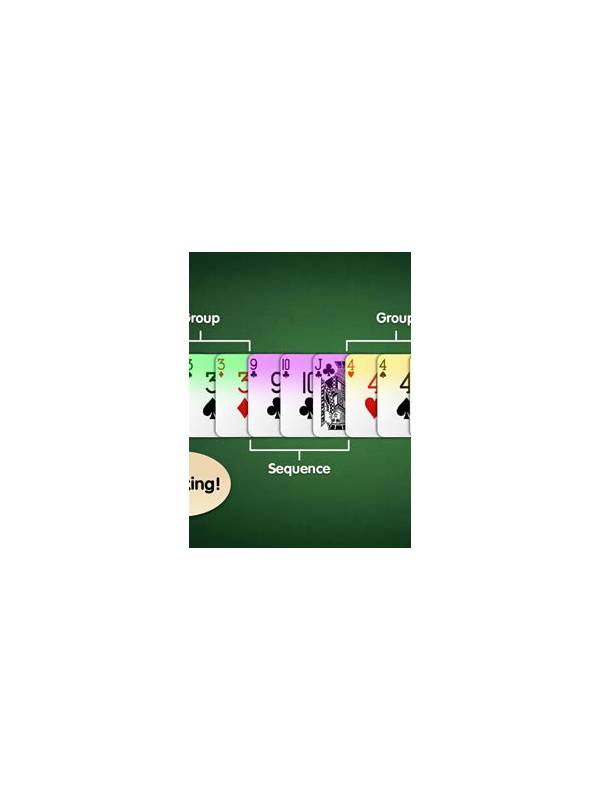
Rummy How-To: Compare Three Candidate Melds Before Drawing
A simple comparison routine helps you choose the most useful meld when several combinations are [...]
Rummy FAQ: Can You Change Your Plan After a Useful Discard?
Learn when a visible discard justifies changing direction and when it is better to keep [...]