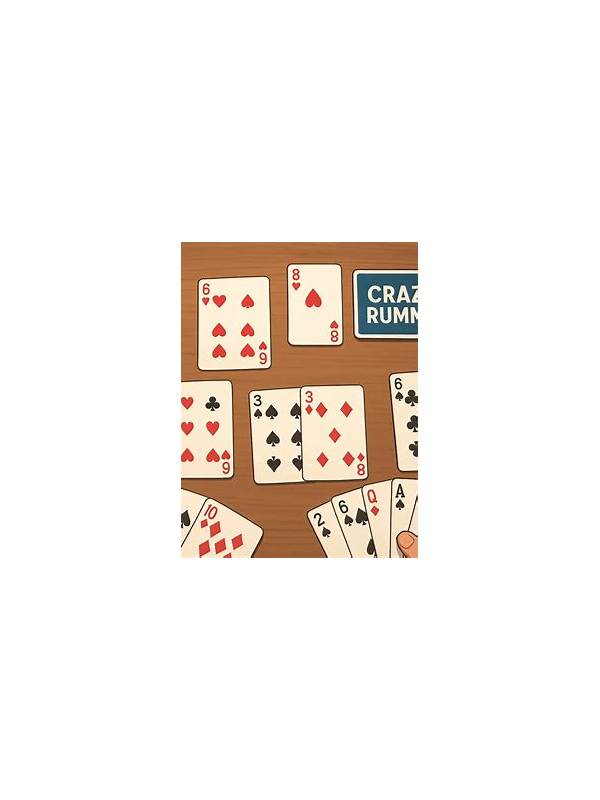
Rummy How-To: Convert a Failed Draw Into a New Question
When a draw fails to help, avoid asking “Why am I unlucky?” Ask a more useful question: what does the current hand need now? The answer can redirect attention from the lost possibility to the choices still available.
If the expected card does not arrive, check whether the original plan remains affordable. Perhaps one more draw is reasonable, or perhaps the route now depends on too many specific cards. If it is still viable, keep it with a clear checkpoint. If not, ask which cards can form a new connection.
Look for a structural question. Which card is isolated? Which group has the lowest repair cost? Which high-penalty card needs attention? These questions turn a failed draw into a scan of the present hand instead of a replay of the past.
Then ask a table question. Did the discard pile provide evidence? Did an opponent’s move change the danger of releasing a card? Keep the answer proportional to the evidence. One unhelpful draw rarely proves anything about another player’s plan.
Finally, choose one action that reflects the new question. You may release an expired card, preserve a flexible bridge, or reduce penalty exposure. The move does not need to recover the exact card you hoped for.
This method builds resilience. Draws will miss, but each miss can improve your description of the hand. Clear questions make the next decision smaller and less emotional.
Use a fixed set of replacement questions: What remains connected? What is most expensive to hold? Which route has a clean exit? Choose the question that matches the failure. A missed sequence card calls for a route check, while a missed high card calls for a penalty check. Avoid solving every problem in one turn. One well-chosen question can lead to a practical discard, and the next draw can provide new information. This habit turns disappointment into a repeatable part of hand management. A failed draw is information about the current plan, not a verdict on the player. Keep the next action small, record what changed, and let later evidence determine whether the new route deserves more time.
This keeps attention on the next decision.
Let the evidence guide it.
Related Post
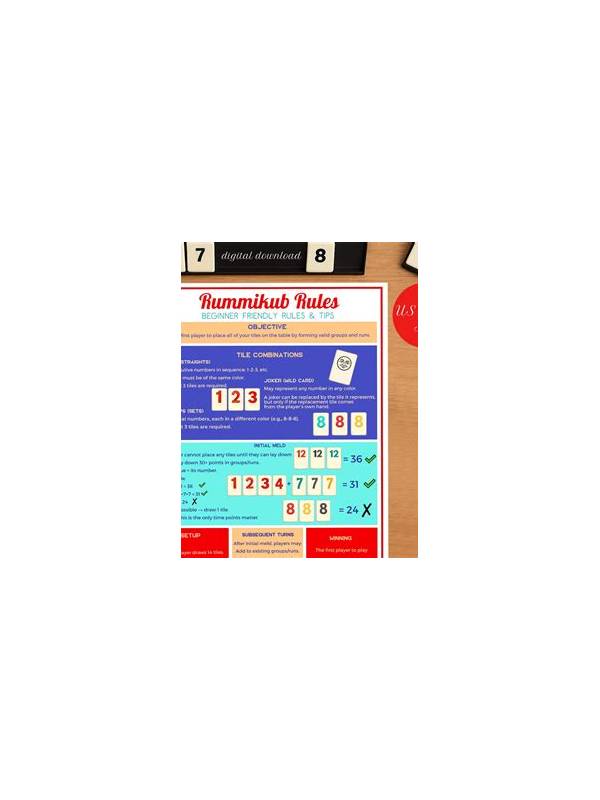
Rummy Guide: Build a Rule-Change Diff Note
A small rule-change note makes differences between familiar rummy formats easier to verify before play. [...]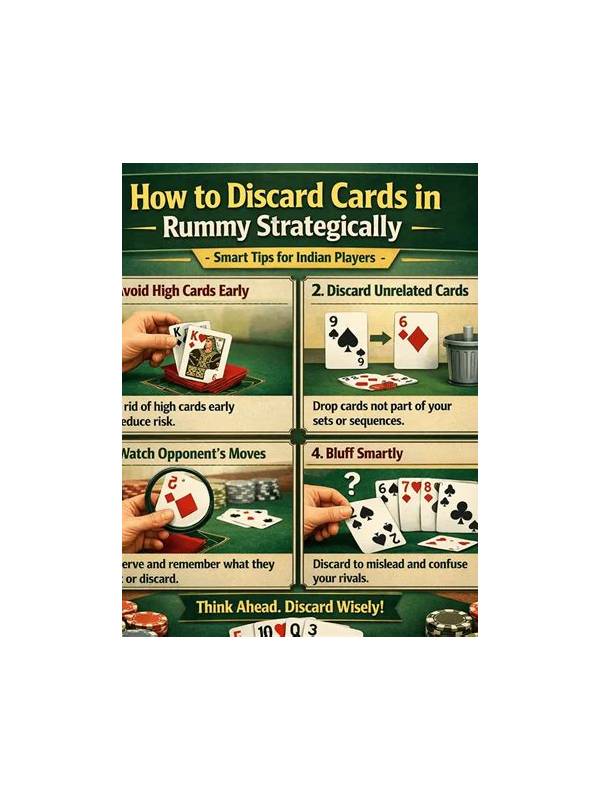
Rummy Tips: Use the Opponent’s Discard to Test Your Assumptions
An opponent’s discard is useful evidence, but only when interpreted as a clue rather than [...]