Rummy How-To: Recheck a Meld Before Declaration
Pause before submitting
A nearly complete hand creates a strong urge to declare immediately. A short pause is useful because the final review is not a strategy decision; it is a verification task. Put the cards into clear groups and examine each group independently. This reduces the chance that a familiar pattern or a hopeful arrangement will hide one invalid card.
Confirm the required structure
Start with the rules of the table you joined. Check the required number of sequences, whether a pure sequence is needed, how jokers may substitute, and whether the hand must contain a particular number of groups. Rules can vary between formats, so memory from another table is not sufficient. If the interface provides a rules panel, use it before playing and rely on the stated format.
Inspect every group
For a sequence, verify that the cards are in the correct order and share the required suit. For a set, verify that the ranks match and that suits are not duplicated in a way the rules prohibit. Check each joker’s position and confirm that it is substituting for a card allowed by the format. Do not let one valid group make you assume the neighboring group is valid too.
Count every card once
Mentally or physically trace the whole hand from left to right. Each card should belong to one declared group, and no card should be left floating outside the structure. If the layout is crowded, separate the groups with space. Counting once prevents both an overlooked loose card and accidental double use of a card in two imagined combinations.
Use a fixed final routine
Practice away from pressure
During practice, deliberately pause before several declarations and say the checks aloud. This makes card ownership and joker substitution easier to spot. You can also review completed example hands without submitting them, using the same order every time. The routine should become familiar before it is needed in a close game. Familiarity reduces haste, while the rules of the specific table remain the final authority.
Finish by checking the declaration control, the selected table, and any confirmation message. If anything looks different from your intended groups, stop and rearrange. A fixed routine takes only a few seconds after practice. It also makes the final moment calmer: you are following a checklist, not relying on a burst of confidence. If the hand fails review, keep playing according to the table rules and record what confused you.
Related Post
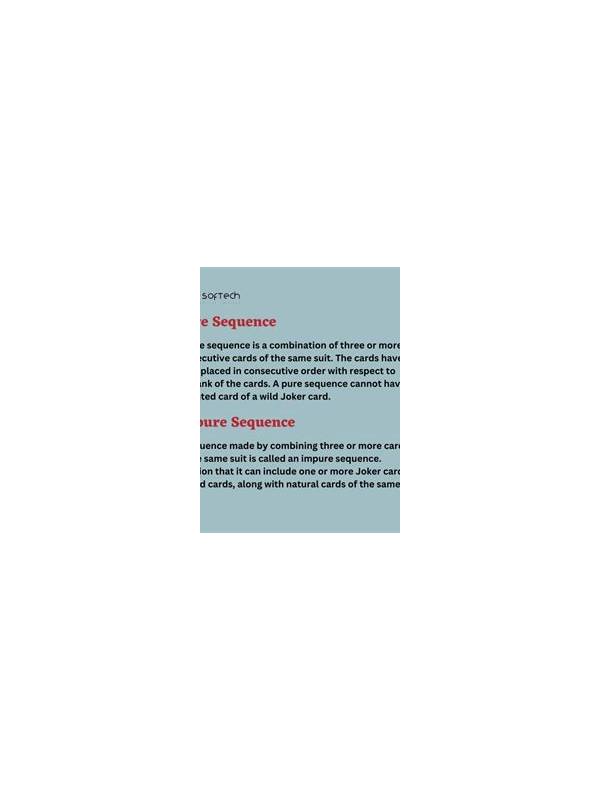
Rummy FAQ: Why Keep a Pure Sequence Early?
Preserving an early pure sequence can simplify later decisions, though every hand still needs a [...]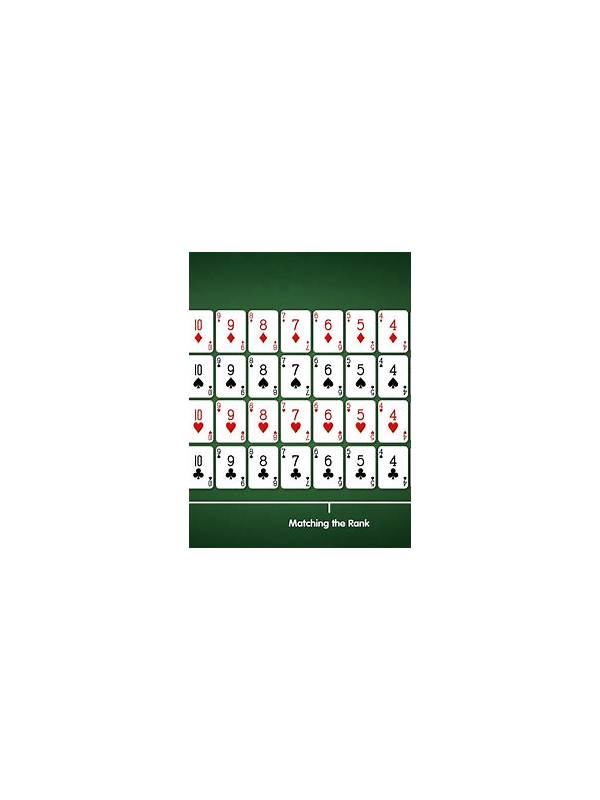
Rummy Guide: Rank Plans by Number of Unresolved Tasks
Counting unresolved tasks offers a practical way to compare rummy hand shapes beyond simple group [...]