Rummy Comparison: Single-Table Focus Versus Multitasking
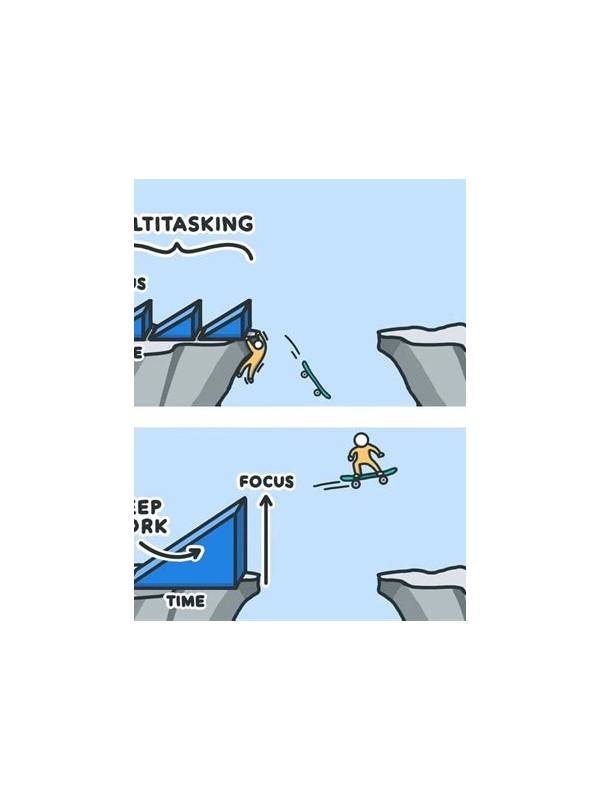
Playing rummy while watching videos, answering messages, or working on another task can make a session feel efficient. It also divides attention at exactly the moments when a player needs to notice a draw, a discard, or a rule prompt. Comparing the two approaches clarifies what is gained and what is quietly lost.
Single-table focus makes it easier to track sequence order, visible cards, and timing. It reduces the chance of missing an action or accepting an automatic suggestion without checking it. Focus also makes it easier to notice fatigue and stop on schedule. The drawback is that a concentrated session can feel more absorbing, so a time limit should still be visible.
Multitasking may seem harmless when the hand is slow. Its cost appears in transitions: returning to the screen after a message, remembering whose turn it is, or rebuilding a plan after an interruption. A player may compensate by making quick choices based on habit. The result is not necessarily a dramatic mistake; it may be a series of small, unexamined decisions.
If you must interrupt a session, pause at a natural stopping point when the platform allows it. Otherwise, finish the current hand only if doing so is safe and permitted, then close the table. Do not let “just checking one message” expand a planned short break into distracted play. Notifications should be silenced, and financial or account actions should never be completed while attention is divided.
For practice, test both conditions and compare more than wins. Note missed actions, rushed discards, and how well you remembered the hand afterward. The better method is the one that supports legal, deliberate decisions within your boundaries. For many players, that means a focused, shorter session rather than a longer session spread across several competing tasks. Attention is also part of fair participation. If a platform expects timely responses, multitasking can affect other players as well as your own hand. Avoid joining a table when you already know that an urgent task will interrupt you. For practice, use a distraction-free setting for a limited number of hands, then stop and evaluate your concentration. The aim is not to create a silent or rigid environment every time. It is to recognize when divided attention changes the quality of your decisions and to choose a format that matches the attention you actually have. A quiet session is not required, but deliberate attention is. Choose conditions that make your available attention honest.
Related Post
Rummy FAQ: What Is a Useful Way to Handle a Dead Draw?
A dead draw is a chance to reset your evaluation, reduce exposure, and choose the [...]
Rummy How-To: Mark Cards by Their Current Job
Assigning a temporary job to each card makes it easier to spot duplicates, gaps, and [...]