Rummy Safety: Set a Cooling-Off Rule for Tilt
Recognize the change in decision quality
Tilt is not simply losing a hand. It is a shift toward urgent, revenge-driven, or unusually careless choices. You may start clicking before checking the hand, increasing stakes to recover, or continuing after you planned to stop. Treat these signs as information about your state, not as evidence that a turnaround is due.
Choose the rule before playing
A cooling-off rule works best when it is decided while calm. Examples include taking a ten-minute break after two rushed decisions, ending the session after a preset loss limit, or stopping when you notice yourself trying to recover a previous result. Make the rule specific enough to act on without negotiation. If real-money play is involved, use only an amount you can afford to lose and follow local requirements.
Make the break practical
Leave the table, put the device down, and do something that changes your attention: drink water, walk, stretch, or handle a simple household task. Avoid spending the break reviewing every unlucky card or browsing for another table. The goal is to restore ordinary judgment, not to construct a case for returning immediately.
Remove easy pressure points
Turn off promotional notifications and avoid keeping payment tools open during a break. If the platform offers deposit, spending, time, or self-exclusion controls, learn how they work before you need them. Do not borrow money or use essential household funds to continue. A cooling-off rule is strongest when the environment does not invite an impulsive exception.
Review the pattern later
Tell the difference between rest and avoidance
The rule can be shared with a trusted person if that helps you keep it. A written limit is easier to follow than a promise made in the middle of an emotional session. Keep the wording kind and practical: pause, check in, and decide later.
A break is not a method for escaping a normal result or proving that you should have won. It is a boundary that protects attention and finances. If you return, do so only after the original reason for stopping has passed and the planned limits still feel comfortable. If it has not passed, end the session. Choosing not to continue is a complete and responsible decision.
When calm, note what happened just before the urge to continue: a close loss, a technical problem, fatigue, or outside stress. Adjust the next session plan if the same trigger repeats. Stopping is a valid result of good self-management. Rummy should remain an optional leisure activity, and no result requires immediate correction through another game.
Related Post
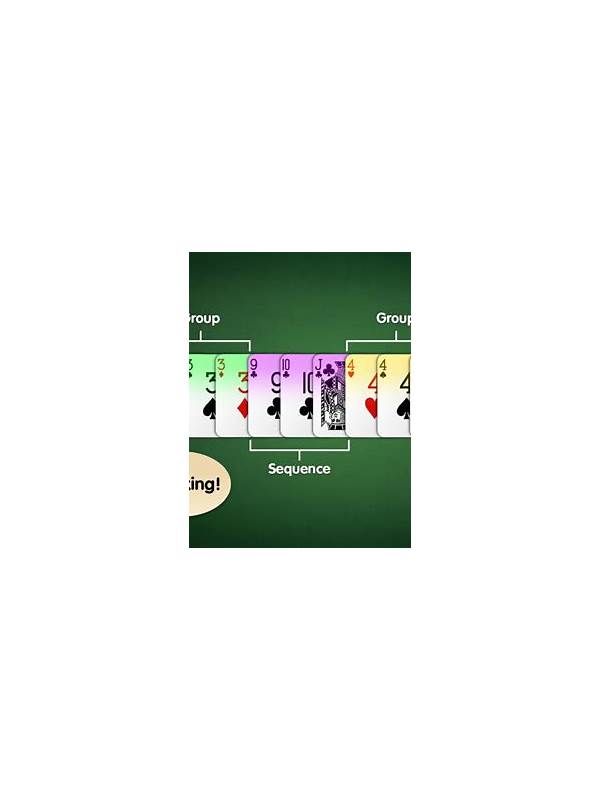
Rummy Timing Practice: Sort a Hand Before the Clock Runs Down
Train a compact sorting routine so time pressure does not force avoidable discards. [...]
Rummy Strategy: Separate the Build Phase from the Finish Phase
Treating early organization and late risk reduction as different phases can make your decisions more [...]