Rummy How-To: Reorder Your Hand by Function
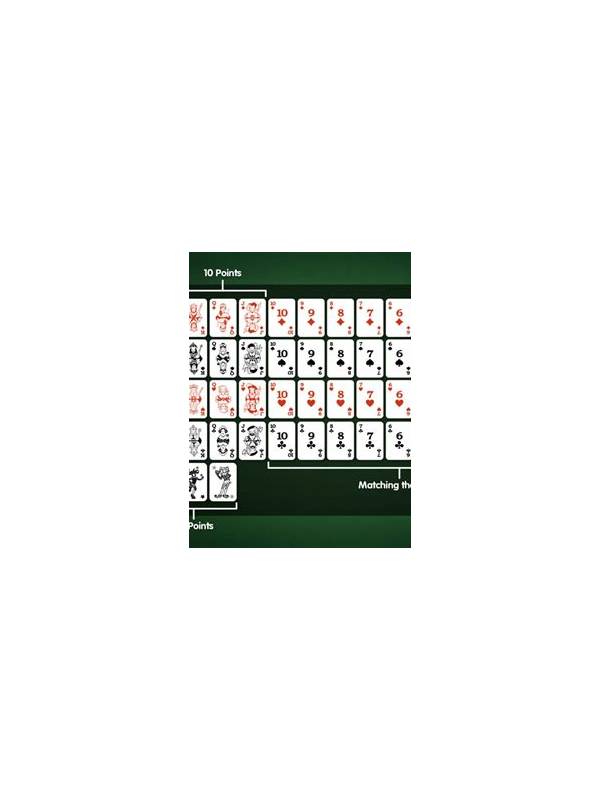
Many players sort a rummy hand by suit or rank and then stop. That is convenient, but a functional sort can make decisions clearer. Instead of asking only where a card belongs physically, ask what job it performs in the current plan.
Create four temporary groups: confirmed structures, active possibilities, flexible connectors, and likely discards. Confirmed structures are valid groups you intend to preserve. Active possibilities contain cards with a realistic path to completion. Flexible connectors can support more than one route. Likely discards are isolated, expensive, or blocking better arrangements.
Move cards as the hand changes. A pair may begin as an active possibility, become a confirmed set, or move to the discard group after new information arrives. This movement is not a sign of confusion. It is a visible record of changing priorities. Avoid leaving a card in its original group simply because you placed it there first.
Within each group, arrange cards to show gaps. Put sequence candidates in rank order and mark the missing positions mentally. For possible sets, keep the rank together and note which suits remain plausible. Connectors that serve two routes should be easy to spot, because they often deserve protection while the hand is still flexible.
Before each discard, inspect the likely-discard group first. If two cards are similar, compare their support in the active possibilities and their risk as a useful public card. A functional sort reduces the chance that you discard a connector simply because it looks isolated beside the wrong cards.
This method does not replace the rules of the game or guarantee a winning hand. Its purpose is to reduce visual noise. Practice it with a few example hands and explain why each card belongs where it does. Once the categories become familiar, you can perform the sort mentally in seconds and make changes with less hesitation.
Functional sorting is particularly useful after an unexpected draw. Instead of forcing the new card into its apparent suit group, ask whether it improves a foundation, extends a live route, creates a new option, or belongs in the discard review. This short pause prevents the new card from receiving automatic priority. It also makes your later explanation clearer: you can say what role changed and why another card lost its place. Clear roles are easier to revise than a collection of cards held by habit.
If a card fits two functions, keep it visible between those groups until the next decision. That reminder protects a valuable connector from being forgotten.
Related Post

Rummy Guide: Choose a Primary Plan and a Backup Plan
One primary plan and one backup plan can preserve flexibility without making a rummy hand [...]
Rummy Safety: Keep Play Separate From Financial Decisions
A clear boundary between entertainment and essential money can prevent risky decisions. [...]