Rummy Guide: Use a Decision Ladder for Difficult Turns
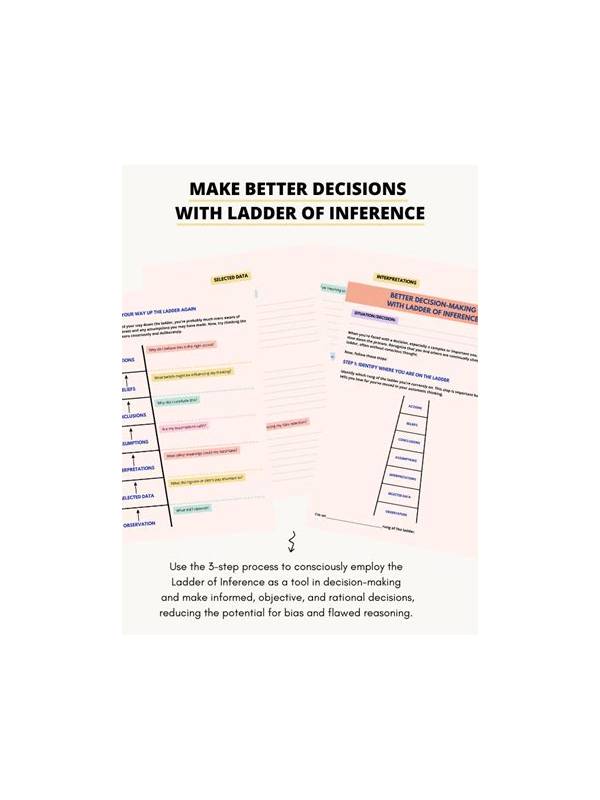
Some rummy turns feel difficult because several cards appear useful at once. Instead of searching for a perfect answer, use a decision ladder. The ladder gives each question a place, so an attractive idea does not distract you from a basic requirement.
Start with legality. Ask whether the move keeps a valid hand under the table rules and whether it leaves the required pure sequence or other essential structure intact. A move that looks clever but removes a necessary foundation is not a serious candidate. Eliminate it before comparing its possible rewards.
Next measure immediate progress. Does the move complete a group, reduce the number of unresolved cards, or create two realistic connections? Prefer progress that can be explained in ordinary language. “This card might help something later” is weaker than “this card completes a sequence and frees a high-value card.”
The third rung is flexibility. A card can serve several nearby plans, while another card may fit only one exact arrangement. Preserve flexibility when the hand is still young. Once a clear plan becomes available, committing a flexible card can be sensible if it finishes an essential structure.
Then consider information. Taking an open discard may reveal what you are building, while drawing unseen may keep your intentions private. Neither is always superior. Include the information cost only after legality and progress have been checked.
Finally review penalty and timing. A high card that remains stranded can be more costly than a modestly useful connector. Near the end of a round, reduce unresolved points and avoid plans requiring several lucky draws. Early in a round, you can tolerate a little more uncertainty.
Write the ladder on a note while practising: legal, progress, flexibility, information, penalty. You do not need to calculate exact odds. The purpose is to prevent one dramatic possibility from dominating the whole decision.
After the hand, review which rung changed your choice. If you ignored legality, study the rules. If you overvalued flexibility, compare the finished structures you missed. A repeatable ladder turns difficult turns into teachable decisions and keeps strategy separate from hindsight.
If the ladder produces a tie, prefer the option that is easiest to explain and reverse on a later turn. A simple choice leaves better evidence for review than a complicated move based on several assumptions. Over time, that clarity helps you improve the order of the questions as well as the answers.
Related Post
How to Use a Rummy Hand Diagram to Explain Every Turn
A simple hand diagram can make rummy decisions easier to review, teach, and remember. [...]
Rummy Comparison: Fixed Position Sorting Versus Flexible Sorting
Compare two ways to arrange cards and choose the one that makes your next decision [...]