Rummy How-To: Estimate Deadwood Before Your Next Draw
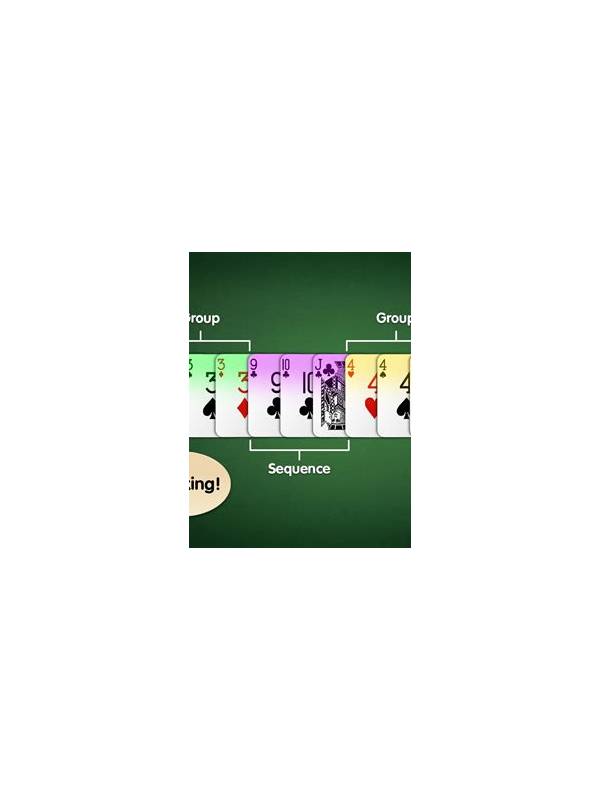
Deadwood means cards that currently belong to no convincing group. In a points-based hand, these cards matter because they may become the score you carry if another player finishes first. Estimating deadwood is not the same as predicting the winner. It is a practical way to decide which part of your hand deserves attention before the next draw.
First, sort the cards into three categories: confirmed legal groups, promising connections, and isolated cards. Confirmed groups meet the rules you are using. Promising connections contain cards that could become a sequence or set with realistic improvements. Isolated cards have no clear job beyond a hopeful exact draw.
Give isolated high cards immediate attention. A king with no neighbor usually deserves more scrutiny than a low card that could connect in either direction. Do not use rank alone, however. A low card can still be deadwood if its suit and surrounding cards offer no path. The aim is to measure actual usefulness, not simply label every high card dangerous.
Then ask how many cards are holding each promising connection together. A pair that can accept several neighbors is healthier than a pair waiting for one exact card. A set possibility may also be useful, but examine whether the required rank has already appeared in visible discards. Fewer available improvements mean higher practical deadwood risk.
Before drawing, identify the one or two cards you would most like to replace. After drawing, compare the new card with that list. If it helps a confirmed requirement, keep it. If it only creates another attractive pair while leaving expensive deadwood untouched, pause and compare the alternatives. This keeps every draw connected to a measurable hand problem.
Deadwood estimates should change as the hand changes. A card that was isolated can become valuable after one draw, while a previously promising pair can become poor after several needed cards disappear. Review the categories after each turn rather than relying on your first impression.
The method takes less than a minute once practiced. It produces a calm question for every decision: which card reduces the most risk while preserving a legal route to finish? That question is more reliable than chasing whichever new card looks most interesting. You can make the estimate more concrete by assigning each unresolved card a simple label: high cost, medium cost, or low cost. Then look at the number of cards that could improve each label within the next few turns. This is not a precise probability calculation, and it should not be treated as one. Its purpose is to stop a hand from feeling equally urgent everywhere. Concentrate effort where the cost and lack of improvement are both high.
Related Post
The Ultimate Guide to the Best Rummy 51 Wala App
The Ultimate Guide to the Best Rummy 51 Wala App Are you looking for the [...]
Rummy Tips: Use a Two-Column Discard Review
A quick two-column method can make discard choices more consistent and easier to explain. [...]