Rummy Safety: Set a Screen Break Trigger
Screen fatigue can change the way a player reads cards, rules, and account messages. The change may be gradual, so waiting until you feel completely exhausted is an unreliable safety plan. A pre-set break trigger makes the decision easier.
Choose a trigger you can observe. It might be repeated misreading of a card, pressing the wrong control, losing track of whose turn it is, rubbing tired eyes, or feeling unusually irritated by ordinary outcomes. One sign does not prove a problem, but repeated signs should end the session or begin a meaningful break.
Set the trigger before play. Write it beside the session boundary and decide what action follows: leave the table, stand up, drink water, stretch, or stop for the day. A vague promise to take a break later is easy to negotiate away when attention is already low.
Do not use a break to justify adding more time or money. The purpose is recovery and perspective, not extending a session that has reached its limit. Keep any spending or loss boundary separate and unchanged. If a break reveals that you are upset or chasing a result, stop rather than returning immediately.
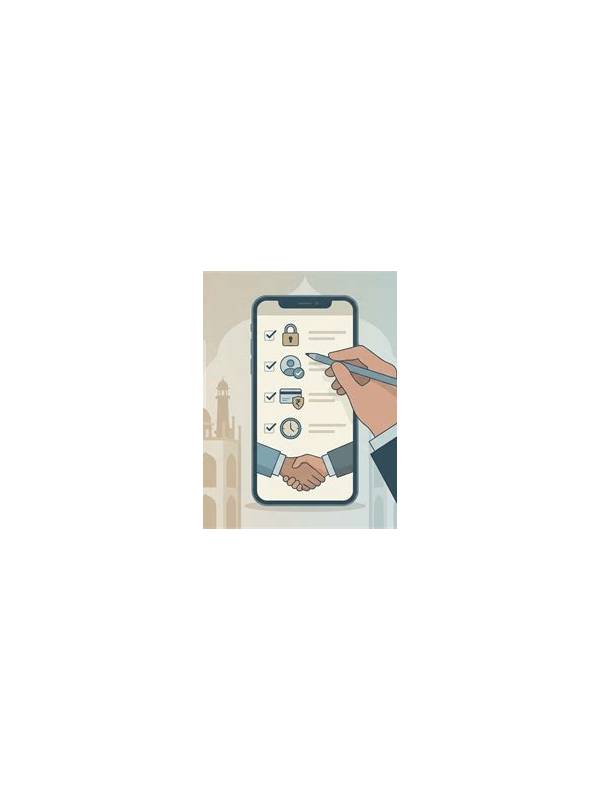
During the break, protect your information. Lock the device if you leave it unattended, avoid sharing screenshots that expose account details, and ignore unexpected links until you can verify them calmly. Fatigue makes urgent-looking messages more persuasive, so verification belongs after attention returns.
A break trigger is also useful for practice sessions. When reviewing hands, pause if you begin repeating the same note without understanding it. Learning slows when review becomes mechanical. A short reset can produce better observations than another hour of tired analysis.
After several sessions, record which triggers appeared and when. If the same sign arrives at a predictable point, schedule the break before it. You may discover that a shorter session improves both accuracy and enjoyment. The record should contain no passwords, payment data, or unnecessary personal information.
Responsible play includes protecting the conditions in which decisions are made. A screen-break trigger is simple, private, and easy to apply. It gives fatigue a clear boundary before fatigue begins making choices on your behalf.
Tell a trusted person about a general stopping boundary if that helps you keep it, but do not share account credentials or private transaction details. External accountability can support a safety routine without creating a new information risk. The boundary should remain yours.
Related Post
Rummy Practice: Use Deliberate Randomness in Sample Hands
Random sample hands become more useful when each practice round tests a clearly chosen decision [...]
Rummy Draw Sources: How to Use the Open and Closed Piles
Understanding what each discard pile tells you helps you choose cards with a clearer purpose. [...]