Rummy Comparison: Visible Progress Versus Hidden Potential
Rummy decisions often place a nearly finished structure beside a flexible set that might become stronger. The first offers visible progress; the second offers hidden potential. Choosing between them requires attention to evidence, cost, and time rather than a blanket preference.
Visible progress is a card or group with a clear completion. It may already be finished, or it may need one known connection. Its value is easy to explain and review. This matters when the hand is late, the rules are strict, or the remaining choices are limited.
Hidden potential is less certain. A pair may support several sequences, or a connector may serve different groups. Potential is useful when the routes are realistic and do not depend on one exact card. It becomes misleading when the player lists every theoretical possibility without checking whether the surrounding hand can remain legal.
Compare the number of unresolved tasks. A promising plan that needs three changes may be weaker than a modest plan needing one. Also compare what each plan forces you to keep. Potential that requires an expensive high card can carry a large penalty while it waits.
Information changes the balance. Visible discards can strengthen or weaken a potential plan. They can also make a visible completion less attractive if the needed card has already appeared. Treat public information as evidence, not a guarantee. A card not seen is not automatically available.
Stage provides the clearest rule of thumb. Early, tolerate more potential if it expands the hand’s options. Midway, require evidence that the potential is producing progress. Late, prefer the route that can become a legal finish with the fewest unresolved tasks.
Use a side-by-side note: “visible benefit,” “potential jobs,” “cards required,” and “cost of waiting.” Do not add a fifth column for imagined luck. If the potential plan still looks good after these four checks, it deserves consideration. If it survives only through vague optimism, release it.
The best choice may be a hybrid: keep one flexible connector while protecting a finished structure. That preserves some upside without allowing the whole hand to depend on hidden potential. Reviewing these comparisons teaches when you are too conservative and when you confuse possibility with progress.
Keep the comparison tied to the actual rules. A structure that is valuable in one version of rummy may not satisfy another version’s declaration condition. Confirm the local requirements before calling progress visible. Accuracy about rules makes the distinction between progress and potential more useful.
Related Post
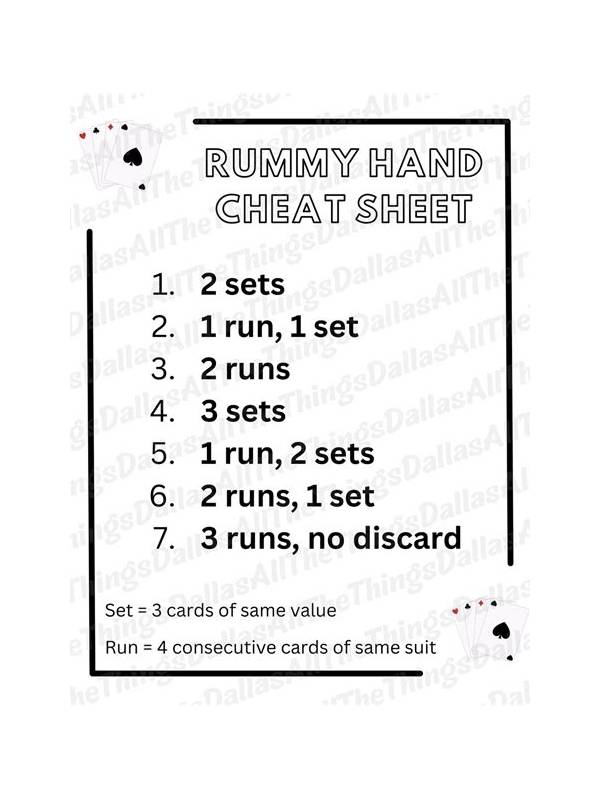
How to Compare Rummy Hands Using Expected Improvement
A simple expected-improvement review compares how much each hand plan could improve and what it [...]
Rummy Guide: Read a Hand by Its Bottleneck
Finding the one constraint slowing a hand down makes a crowded rummy position easier to [...]