Rummy Safety: Keep a Session Budget Separate From Daily Spending
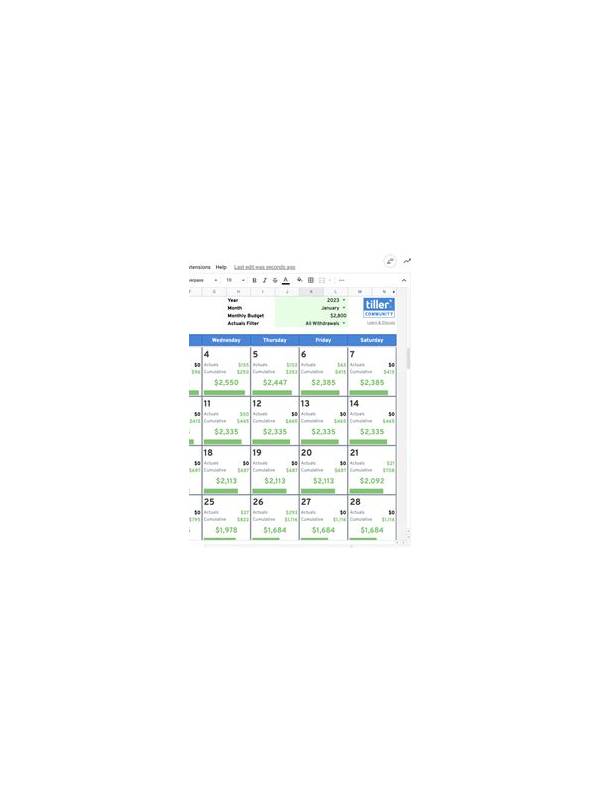
If a rummy platform involves paid tables, a session budget should be a separate decision from your everyday spending. Money needed for food, transport, bills, savings, or emergencies should never be treated as a reserve for play. A clear separation makes it easier to stop without turning one result into a financial problem.
Set the limit before opening a table. Choose an amount that you can lose without affecting necessities, and treat it as a maximum rather than a target. If the platform offers deposit, loss, or spending controls, use the most restrictive setting that matches your plan. Do not increase the limit because a session feels unlucky or because you want to recover a previous result.
Keep the session budget visible in a private, non-sensitive note. Write the starting amount, the stopping point, and the planned end time. Avoid recording passwords, payment details, or account identifiers. A simple reminder can interrupt the habit of making one more deposit without first checking the original boundary.
Separate time from money. A player can stay within a cash limit while spending far longer than intended, or stop on time while making repeated small deposits. Set both limits before play. When either limit is reached, close the table and take a real break. Do not negotiate with the rule while emotions are high.
Watch for warning signs: hiding activity, borrowing money, using essential funds, chasing losses, or feeling unable to stop. These are reasons to stop paid play and seek support from a trusted person or a relevant professional service. Account blocking or self-exclusion tools may provide an additional barrier. If you feel at immediate risk of harming yourself or someone else, contact local emergency help.
Review the budget periodically, but only while calm. A limit that repeatedly feels impossible to follow is not a planning failure to solve by raising it; it is evidence that a stronger pause or a period away from paid play is needed. Responsible play means keeping entertainment inside safe boundaries, not finding a way to extend the session.
If another person shares financial responsibility with you, do not conceal paid play from them. A transparent household agreement can provide an additional check on limits. For free practice, keep the same time boundary even when no money is involved; habits formed in practice can carry into paid environments.
A budget should never be funded with credit, borrowed money, or funds reserved for essentials. If that is the only way to continue, end the session. Entertainment is optional; financial stability is not.
Related Post
Rummy FAQ: Can You Change Your Plan After a Joker Appears?
A joker can open several options, but it should support a sound structure rather than [...]
Rummy How-To: Separate Facts From Guesses in a Hand Review
A fact-and-guess review keeps rummy analysis grounded and makes mistakes easier to correct. [...]