Rummy Comparison: Holding a Joker Versus Using It Early
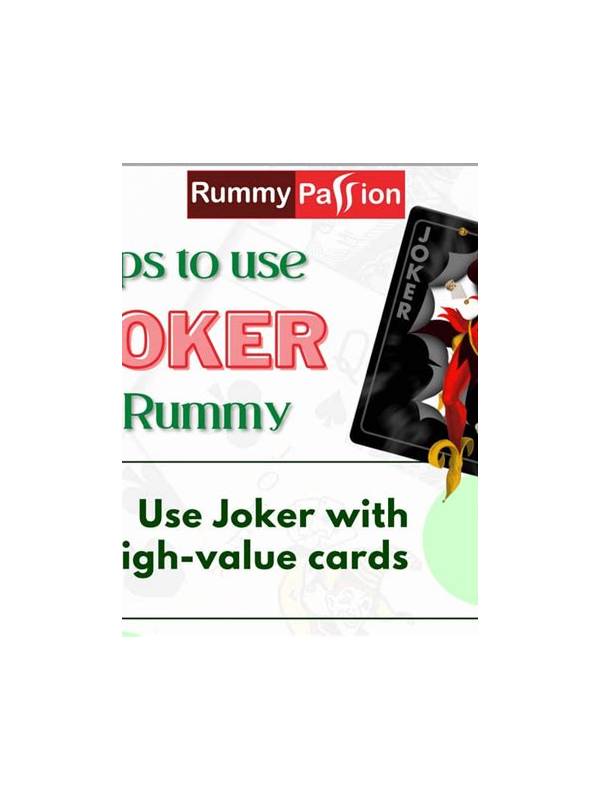
Jokers are flexible, but flexibility has a timing question. Using one early can complete a useful group and simplify the hand. Holding it can preserve several routes while you learn more from the table. Neither approach is automatically superior. Compare the jobs the joker can do now with the cost of waiting.
Using a joker early is attractive when it completes a required structure or turns several stranded cards into a stable group. It may also reduce the number of unresolved tasks and lower the risk of a large penalty. Before using it, confirm the table’s joker rules. A joker may substitute for a card in one group but not satisfy a pure-sequence requirement, and a group that looks complete may still be invalid.
Holding a joker makes sense when it has more than one credible destination. List those destinations rather than treating the joker as universal insurance. If one route completes a required sequence and another merely improves a pair, the routes are not equal. Also consider whether the supporting cards are likely to remain useful. A flexible joker cannot rescue every weak plan.
Timing is affected by the number of turns left. Early in a hand, preserving options may be valuable. Near the end, an unused joker can represent unfinished work if the hand still needs a specific legal group. Set a trigger for using it, such as confirmation of a required sequence, the failure of an alternative plan, or a limit on remaining turns.
The discard pile may provide evidence, but do not infer too much from one visible card. A joker can conceal your structure from other players, yet it can also encourage you to keep too many weak cards. Judge the whole hand, not the excitement of possessing a powerful substitute.
In review, record whether the joker completed a necessary job or merely delayed a decision. Ask what alternatives were available at the moment you used or retained it. This comparison builds better timing judgment. The central principle is simple: use a joker when it materially reduces unresolved work, and hold it only when the waiting option is clearly worth its cost.
Also distinguish a printed joker from a wild joker if the format does so. Their visual similarity does not guarantee identical treatment. Check whether either card can appear in a pure sequence or whether a declaration must show a natural card in a particular group. Correct timing begins with correct interpretation.
Related Post
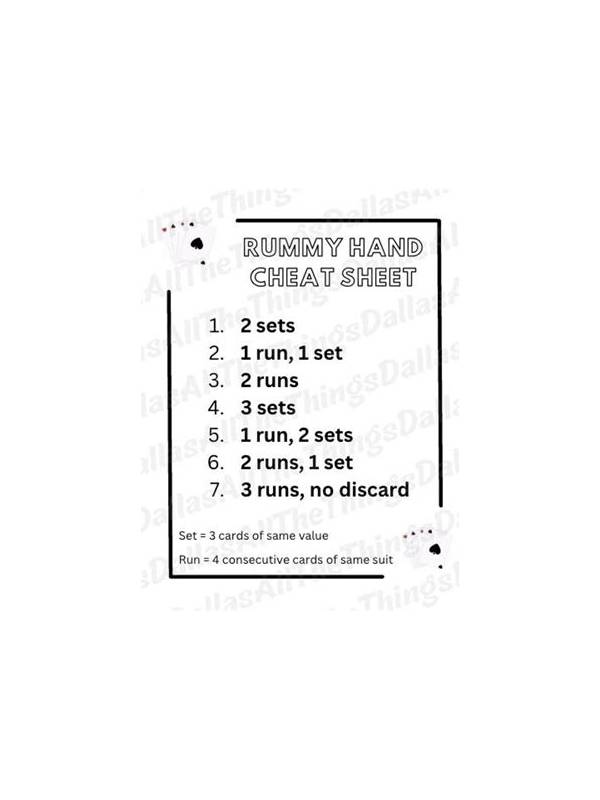
Rummy FAQ: Why Can a Hand With Good Groups Still Be Invalid?
A hand may contain attractive groups and still fail because it misses a required natural [...]
Rummy How-To: Make a Card-Connection Map
A quick connection map reveals which cards support several paths and which ones are isolated. [...]