Rummy Guide: Read the Hand in Two Passes
A common source of confusion is trying to solve legality, value, and timing in one glance. A two-pass hand review separates those jobs. The first pass asks what the cards can legally form. The second asks which legal arrangement best fits the current evidence and remaining turns.
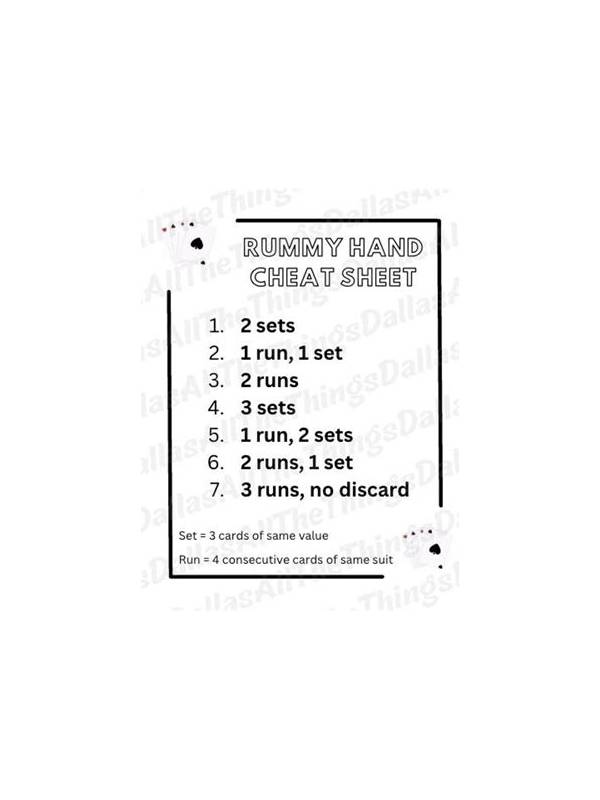
In the first pass, ignore the opponent and the emotional appeal of a particular draw. Sort the cards by suit and rank, then identify confirmed sequences, possible runs, sets, and ungrouped cards. Check the format’s requirements, including pure sequences and joker restrictions. If a group is only theoretical, label it as possible rather than allowing its appearance to influence the legal count.
In the second pass, evaluate the candidate arrangements. Count unresolved links, compare how many cards each plan needs, and identify the highest penalty if the plan fails. Consider whether a card supports more than one plan and whether the open discard provides meaningful evidence. A legal arrangement can still be strategically poor if it depends on one exact draw or leaves expensive deadwood.
Keep the passes brief. In a live turn, the first pass may take only a few seconds if the cards are already organized. The second pass should end with one concrete action: draw from a permitted source, keep a named conditional card, or discard the clearest liability. If you continue evaluating after the action is clear, you may create hesitation without adding information.
The method is especially useful after an unexpected draw. The new card can be placed into the first pass without immediately deciding whether it is good. Then the second pass compares the old plan with the new possibilities. This prevents surprise from turning into an impulsive commitment.
After play, note which pass contained the mistake. Did you misunderstand the rule or overlook a better legal choice? The answer points to the right practice exercise. Two-pass review is not a promise of a winning hand. It is a disciplined way to keep rule checking, risk evaluation, and action from becoming one hurried mental blur.
You can also use two-pass review in a written exercise. Hide the example solution, make a legal grouping first, and only then compare candidate actions. This prevents hindsight from changing the first question. Over several exercises, mark whether your error was structural or tactical. That distinction keeps practice focused and efficient.
This separation is useful because a legal grouping can still be strategically weak, while a strong tactical idea can be illegal. Check the first issue before judging the second. That order prevents wasted analysis.
Related Post
Rummy How-To: Set a Decision Budget for Each Turn
A small decision budget keeps analysis useful while preventing one uncertain turn from consuming the [...]
Rummy Safety: Protect Personal Details on Shared Devices
A few privacy checks can reduce accidental exposure when rummy is played on a phone, [...]