Rummy Hand Sorting When Several Groups Overlap
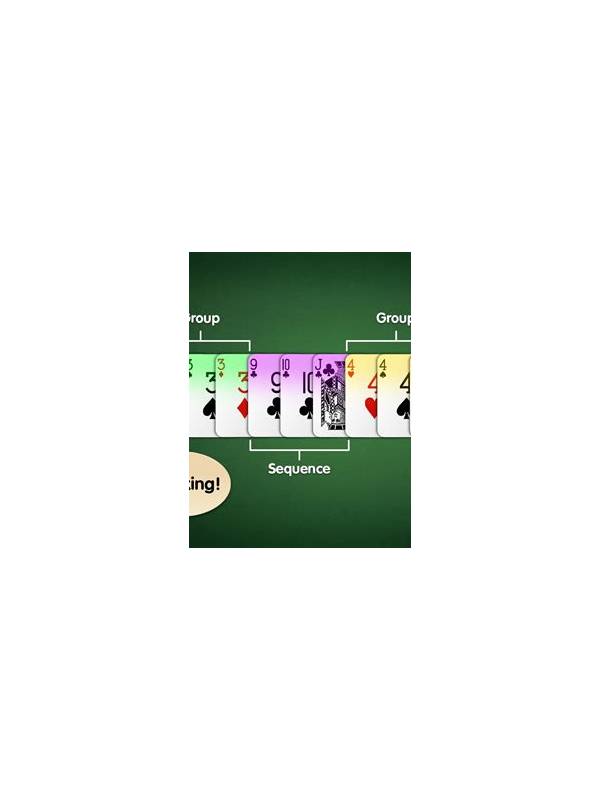
Some rummy hands look promising because the same card appears to support several groups. A six may connect to a five and seven, belong to a rank set, or sit between two alternative sequences. This flexibility is useful, but it can also create clutter. A clear sorting method keeps the hand manageable.
Begin by marking confirmed groups. A legal sequence or set that you are already confident about should be separated from speculative combinations. Do not move a confirmed group merely because another card looks attractive. Stability gives you a base from which to evaluate the rest of the hand.
Next, mark overlapping cards. For each one, list at most two realistic roles. If a card needs several unlikely draws to work in a group, label that group weak. This prevents a single flexible card from making the entire hand appear stronger than it is.
Compare the options using three questions. Which plan needs fewer missing cards? Which plan preserves a pure sequence or other required structure? Which plan leaves you with the lowest-risk discard if the next draw is unhelpful? The answer may change as cards arrive, so treat the comparison as temporary rather than a permanent commitment.
Avoid protecting every possibility. Keeping too many overlapping cards can leave high-value singles in your hand and reduce your ability to respond. Choose a primary plan and a backup plan, then release the weakest third option when the timing is right. The correct timing depends on the format, score, and remaining turns.
Practice with a written example. Circle the overlap, draw one new card, and redraw the circles. Notice which plan gained real support and which merely remained attractive in theory. This exercise improves reassessment without the pressure of a live timer.
Overlapping groups are an opportunity for flexibility, not a promise of completion. Sort confirmed structures first, rank the remaining possibilities, and keep only the plans that the evidence supports. A simpler hand is often easier to finish and easier to review. When sorting on a small screen, use a consistent physical or visual order, such as suit first and rank second. Avoid repeatedly rearranging the whole hand after every draw; move only affected cards when possible. Before submitting a discard, look at the sorted hand once from left to right. This final scan catches cards hidden inside an overlapping group and makes the decision easier to explain afterward. The purpose of sorting is to reveal choices, not to make the hand look perfect. If a layout takes too long, simplify it and return attention to legal groups and risk.
Related Post

Rummy Safety: Check Permissions Before Installing a Game App
Reviewing app permissions and installation sources is a practical step before putting a new game [...]
Rummy Strategy for Choosing Between Two Pair Connections
Use a simple comparison method when two pairs both look promising but only one can [...]