Rummy Comparison: Early Discard Versus Late Discard
The same card can be a sensible discard at one point and a poor discard later. Comparing early and late timing shows why a fixed rule such as “always discard high cards first” is incomplete.
The case for an early discard
Early in a round, the table contains limited information. Releasing an isolated, expensive card can reduce your penalty immediately and create room for future draws. It also prevents you from becoming attached to a plan that has not received support. If the card has few connections and no clear role, an early exit is often efficient.
The case for waiting
Waiting can be sensible when the card is flexible, forms part of two plans, or carries a low cost. Early cards may become valuable as new information arrives. A middle card can connect in several directions, and a paired card may support a set. Keeping it briefly can preserve options while you learn what the round offers.
What late timing changes
Near the end of a round, the cost of uncertainty rises. There are fewer draws left, so a narrow plan has less time to work. At the same time, a discard may be more informative about what opponents are collecting. A high card that was tolerable early may become the clear release once its connections fail to appear.
Use a timing test
For each candidate, ask three questions: How many useful outcomes remain? What is the cost if the round ends now? Could this discard obviously complete an opponent’s pattern? Early in the round, flexibility may outweigh points. Late in the round, reducing unresolved risk may matter more.
No timing rule guarantees a win. The comparison simply makes the trade-off visible. Review your choice after the round and note whether the card improved, remained idle, or became dangerous to hold. Over time, this record helps you develop a timing sense grounded in evidence rather than habit.
The comparison also changes with the objective of the round. In a practice game, waiting one extra turn can teach you how a plan develops. In a scored game, the same wait may expose you to unnecessary points. Be honest about which objective applies before deciding. If you are uncertain, favor a simple action that keeps the hand manageable and leaves time to observe. Timing skill grows from reviewing these small trade-offs, not from memorizing a universal order for every card.
Related Post
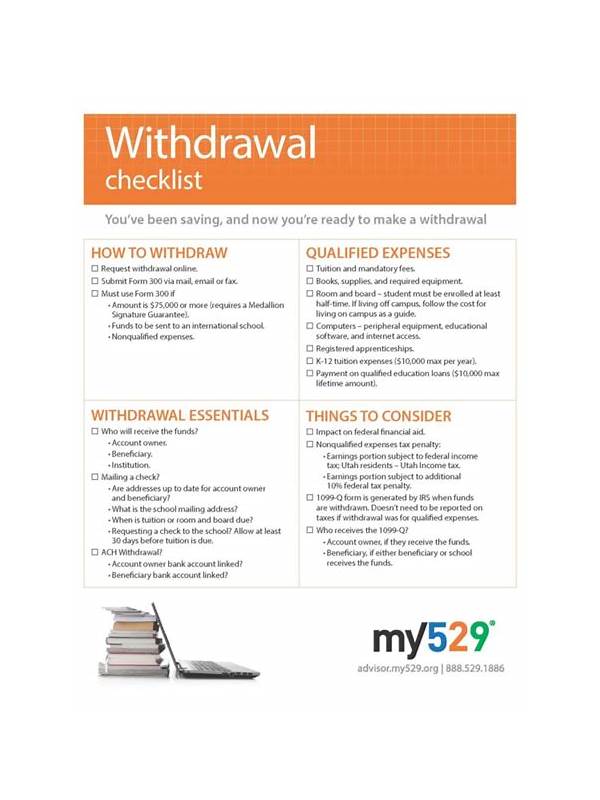
Rummy Safety: Make a Clear Deposit and Withdrawal Checklist
A short financial checklist can reduce mistakes when a platform supports deposits or withdrawals. [...]
Rummy Comparison: A Narrow Plan or a Broad Plan?
Narrow and broad hand plans suit different situations, and the best choice depends on repair [...]