Rummy Safety: Make a Spending Boundary Before You Start
If a rummy platform involves paid entries or real-money play, decide your spending boundary before opening a table. A boundary works best when it is specific, affordable, and independent of the result of the next hand.
Use only a discretionary amount
Start with money that is not needed for rent, food, bills, debt payments, savings goals, or household responsibilities. If losing the amount would create stress, it is too large for entertainment. Treat the boundary as a maximum entertainment expense, not as an investment or a way to solve a financial problem.
Choose a session limit and a time limit
A money limit alone can fail because a long session creates more chances to spend. Pair it with a start and stop time. When either limit is reached, finish the current permitted action and leave the table. Do not increase the amount to recover a loss or because a bonus makes additional play feel free.
Make the limit difficult to bypass
Use platform controls when available, such as deposit limits, cooling-off periods, or self-exclusion tools. Keep payment methods separate from routine household funds where practical, and avoid borrowing. If an app makes it easy to add money repeatedly, set a reminder or use an account-level restriction before beginning.
Watch for warning signs
Pause if you feel compelled to chase losses, hide activity, play longer than planned, or think about using money set aside for necessities. Strong frustration, sleep disruption, and arguments about spending are also signals to stop and seek support from a trusted person or a local professional service.
Responsible play is not a promise that every session will stay comfortable. It is a plan for protecting your wider life when results are unpredictable. Write the boundary down, accept that it may be reached, and regard stopping as successful completion of the plan.
It is also wise to check local age, location, and account rules before using a paid service. A platform’s marketing language does not replace its terms or the law where you live. Never share account access with another person, and keep records of your own deposits so the real total is visible. If you find yourself repeatedly moving the boundary, take a longer break and ask someone you trust to help you maintain it. The goal is entertainment that remains optional, affordable, and easy to stop.
If a limit is reached, close the table and record the stop rather than negotiating with yourself. A boundary is useful precisely when it applies to an ordinary session, not only to a session that feels easy.
Related Post
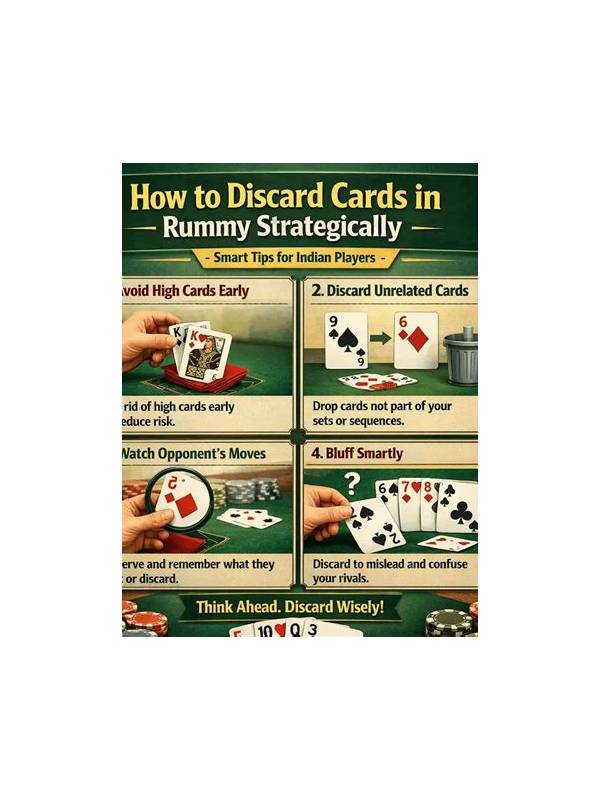
Rummy Guide: Read Discard Patterns Without Guessing Too Much
Use discard patterns as cautious evidence while keeping your own hand decisions independent and disciplined. [...]
Rummy Variant Notes: Build a One-Page Reference Card
Create a compact reference card that keeps the rules of a specific rummy variant close [...]