Rummy Tips: Give Each Card a Release Condition
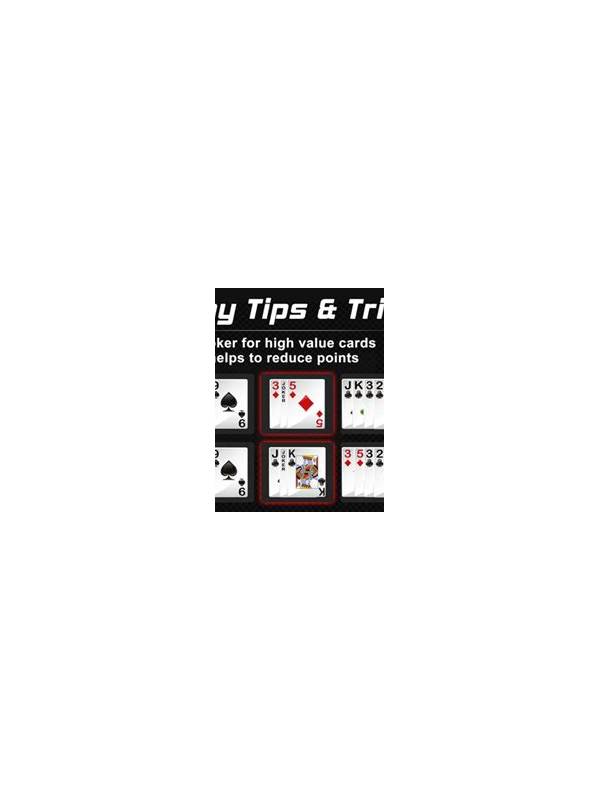
Players often decide to keep a card because it might become useful. That possibility can quietly turn into indefinite holding. A release condition is a clear statement about when the card no longer deserves space, such as “discard this pair if no matching rank appears after two checks” or “release the high single when a safer route is established.” It turns hope into a reviewable plan.
Start with the cards outside your strongest group. For each one, name its current role and the event that would change that role. A middle card may support two sequence directions. Its release condition could be the arrival of a stronger connection elsewhere or the disappearance of both useful neighbors from the available information. A high single may have a simpler condition: discard it when the turn allows and no rule-related reason protects it.
Keep conditions realistic and observable. “Keep until it wins the hand” is not a condition because it offers no decision point. “Keep until the next two draws fail to improve the route” is measurable, though the number of turns should fit the hand stage. Narrow targets deserve shorter deadlines late in the round. Broad, low-penalty options may receive more time early.
Do not apply release conditions mechanically when the hand changes. If a new card creates a powerful set, the value of an old connector may change immediately. Recalculate its role rather than waiting for the original deadline. Conversely, if an opponent reveals information that makes your route less likely, release earlier. A condition is a prompt for reassessment, not a contract with a dead plan.
During practice, write one sentence for two difficult cards. Record the condition before you draw. Afterward, note whether you followed it and whether new evidence justified a change. This prevents hindsight from making every discard look obvious. It also reveals whether you set conditions that are too vague, too late, or impossible to observe during a timed turn.
Release conditions help emotionally because they separate the card from your identity as a player. Discarding it is not admitting that the original idea was foolish; it is updating a plan with new information. The best condition preserves attention for the current choice and keeps an attractive but inactive card from controlling the entire hand.
You can also attach a condition to a completed group when rearrangement is tempting: do not break it unless the new arrangement clearly improves legality or removes a major penalty. This protects progress from unnecessary experiments. The hand should change because the evidence changed, not because sorting the cards again feels like action.
Related Post

Rummy Tips: Separate Observation From Interpretation
Keeping facts distinct from guesses leads to calmer and more accurate rummy decisions. [...]
Rummy Comparison: Open Information and Hidden Information
Compare what visible cards can tell you with the limits of inference in a concealed-hand [...]