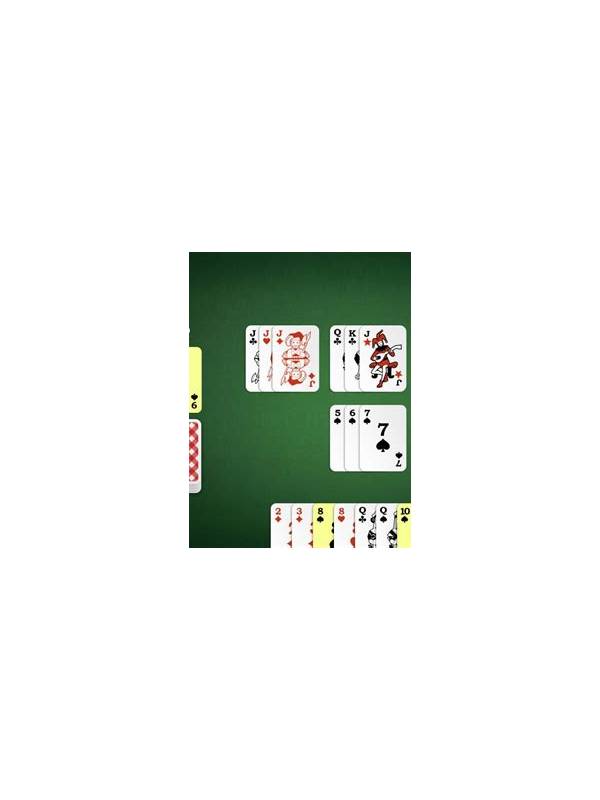
Rummy Guide: Turn a Discard Pile Into a Timeline
The discard pile is more than a place to find a possible draw. It is a partial timeline of decisions. Each visible card tells you that it was released at a particular moment, but it does not reveal the exact hand behind that decision. Use the pile as evidence with limits: observe patterns, test your assumptions, and avoid pretending that one discard proves an opponent’s plan.
Begin with the newest cards. They are most relevant to the current hand because they may reflect recent changes in table structure. Note repeated ranks, suits that appear frequently, and cards that would connect with your own groups. Then look further back for confirmation. A single middle card may be noise; several related cards can indicate that a route is becoming less available.
Separate observation from interpretation. “Two sevens were discarded” is an observation. “The player has no sevens” is an interpretation that may be wrong. The cards could have been duplicates, or the player could have chosen a different set route. Keeping the two statements separate helps you use information without becoming overconfident.
When considering an open discard, compare its immediate fit with its information cost. Taking a card may reveal that a rank or suit matters to you. It may also leave a new visible card for someone else. Ask whether the card improves a group, protects a lower-penalty exit, or merely feels interesting because it is available. If it has no clear role, leave it.
Use a small mental timeline during practice: early discard, middle discard, recent discard. You do not need to memorize the entire pile. Track only cards connected to your plan and cards that change the value of a candidate draw. If the interface is crowded, write down a few ranks rather than trying to remember every detail.
At the end of a round, compare your timeline with what actually happened. Which signal helped? Which inference was too strong? Did a card remain available even though you assumed it was exhausted? This review builds calibration, not certainty. Good observation narrows possibilities; it does not turn hidden information into facts.
The pile becomes most useful when paired with your own hand map. Let your structure determine which history matters. Then update the map when new cards arrive. A timeline supports disciplined choices, while a story built from one dramatic discard can pull you away from the legal, manageable route in front of you.
Related Post
Rummy App Data Usage: Keep Mobile Sessions Predictable
A few device and app settings can make mobile rummy sessions easier to monitor on [...]
Rummy Safety: Keep a Record of Unusual Account Events
A factual record of unusual sign-ins, payments, or table behavior can make legitimate support and [...]