Rummy Guide: Use a Two-Pass Sort for a New Hand
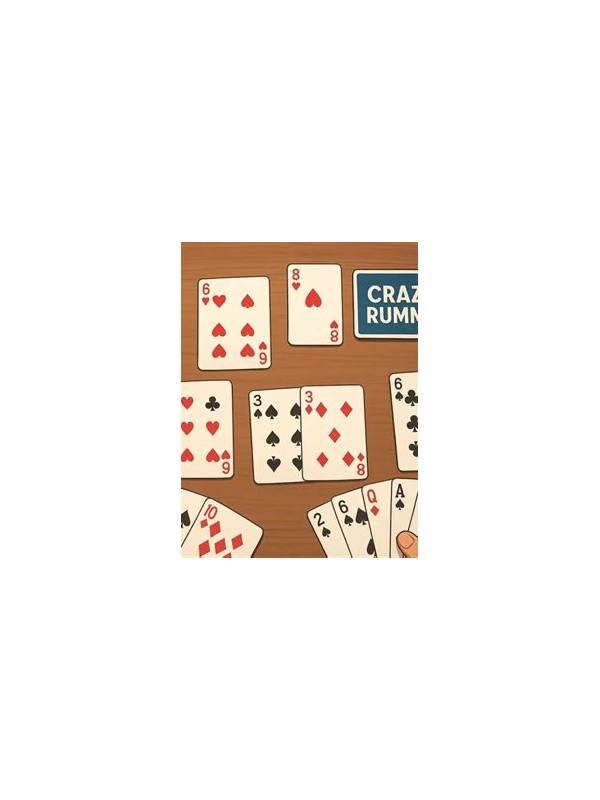
When a new rummy hand appears, the first temptation is to arrange every card into a final-looking pattern. That can hide useful information. A two-pass sort is calmer: the first pass records what is obvious, and the second pass tests what might become useful. The method works for practice hands and live play because it limits early commitment.
In the first pass, group cards by suit and put each group in rank order. Do not decide that a pair, run, or isolated card must stay. Simply make the hand readable. Mark any completed sequence, any near sequence with one gap, and any duplicate rank that could form a set. Also separate jokers or wild cards mentally so they do not make a weak group look complete.
The second pass asks a different question: which cards have more than one reasonable future? A six of hearts might join five-seven of hearts, but it may also help a set of sixes. A middle card often has several connections, while a high endpoint has fewer. Give flexible cards a small mental mark, then identify cards that do not connect to anything. This prevents a visually attractive group from receiving all your attention.
After both passes, choose one anchor: a pure sequence or another structure that does not require a special card. Build around the anchor only when the remaining cards support it. Keep one or two alternatives alive until a draw or discard gives new evidence. If a card has been waiting through several turns without gaining a credible connection, reassess it instead of defending the original arrangement.
This routine is especially useful when the hand contains several pairs. Pairing cards by rank can feel productive, but a pair is only a possibility. Compare its value with a same-suit connector that could improve a sequence. The two-pass sort makes that comparison visible. It also reduces repeated rearranging, which can consume attention without changing the decision.
Finally, before discarding, state the purpose of the move in a few words: “release an isolated high card,” “keep the connector,” or “break the weaker pair.” A short explanation gives the sort a practical endpoint. It does not guarantee a win, but it creates a repeatable process for making clearer choices under uncertainty.
If the hand is moving quickly, shorten the routine rather than skipping it. Scan suit order, rank duplicates, and isolated cards in that order. The abbreviated version still protects against the common error of treating the first attractive pair as a complete strategy. Over several practice hands, compare the cards you marked flexible with the cards that actually helped. This feedback will sharpen your estimates without requiring a complicated counting system.
Related Post
Rummy Sets Versus Sequences: A Decision Guide for Beginners
Compare sets and sequences by their role in a valid hand, not by which group [...]
Rummy FAQ: When Should You Recheck a Completed Group?
A completed group deserves a quick recheck when the rules, joker use, or remaining hand [...]