Rummy Comparison: Aggressive Draws Versus Defensive Discards
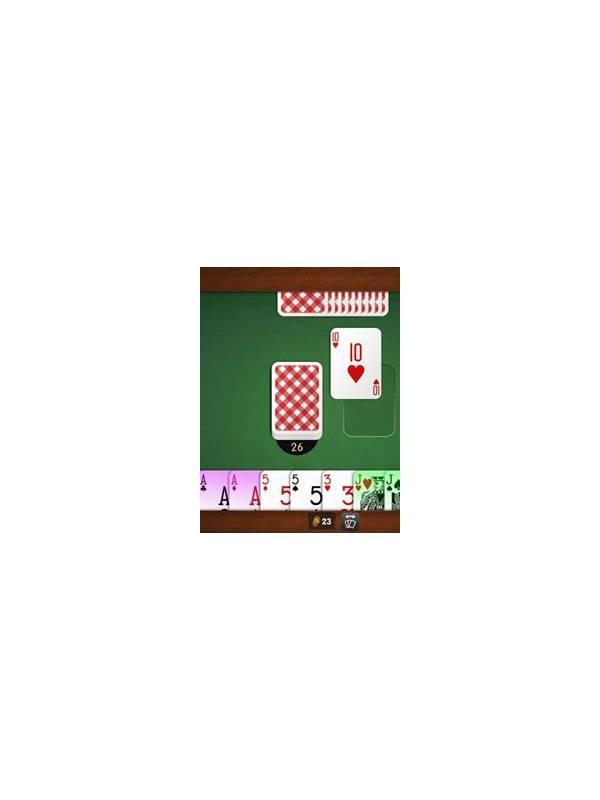
An aggressive draw seeks rapid improvement, often by taking a visible connector or protecting a narrow route. A defensive discard tries to reduce exposure, remove expensive cards, or avoid giving an obvious completion card to another player. Good play requires both approaches because the best balance changes during a hand.
Choose an aggressive draw when it creates a concrete improvement. The card may complete a group, reduce the number of missing cards, or satisfy a required structure. Before taking it, ask what you will release and what information your choice reveals. An aggressive move is weaker when it merely preserves an attractive pair while leaving the rest of the hand disconnected.
Choose a defensive discard when your hand carries clear risk. High isolated cards, duplicate plans, or a route whose connectors have disappeared may need to be released even if the discard could help someone. Defensive play is not passive; it improves your ability to respond to the next draw and limits the cost of a sudden end.
The hand’s stage matters. Early turns often allow more aggressive exploration because there is time to repair a missed plan. In the middle, compare the value of completion with the cost of revealing information. Near the end, a defensive release may be sensible if it protects points, while an aggressive draw is justified only when it materially improves the declaration path.
Use a simple comparison: immediate gain, future flexibility, exposure to another player, and cost if the hand ends now. Give each choice a quick verbal label such as “finishes a group but reveals a narrow route” or “loses a pair but lowers point risk.” This prevents a dramatic-looking draw from winning by excitement alone.
Review the balance after the hand. Did you keep attacking after the route stopped improving? Did fear make you discard a card that had a clear role? The goal is not to become permanently aggressive or defensive. It is to match the choice to evidence, timing, and the consequences you can accept. A flexible player changes posture when the hand changes.
Notice whether the urge to attack comes from evidence or impatience, and whether a defensive discard protects your hand or merely avoids a difficult choice. Naming the impulse creates a small gap in which you can reassess.
That gap is often enough to select the more balanced action.
Use the result as feedback, not as a reason to change your limits.
Related Post
A Beginner Guide to Rummy Sequences Near the Ace
Understanding how your chosen rummy rules treat the ace prevents common sequence mistakes. [...]
Rummy FAQ: How Does Information Expire During a Hand?
Information that once mattered in rummy can become less useful as new draws, discards, and [...]