Rummy Comparison: Drawing From Stock or Discard
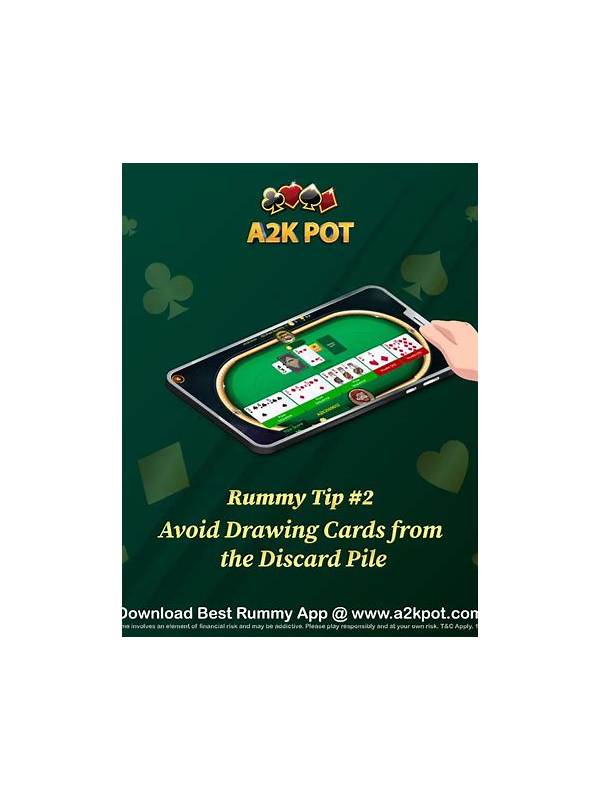
Choosing between the stock and discard pile is one of the most frequent rummy decisions. The stock offers privacy and possibility; the discard pile offers certainty and information. Neither is automatically superior. The right choice depends on the card’s job, the hand’s urgency, and what your pickup reveals.
Choose the discard when the card has a clear, immediate function. It may complete a sequence, create a legal set, or reduce a high-value loose card through a strong arrangement. Certainty is especially useful when the hand has a required structure and the visible card satisfies part of it without damaging another group.
Choose the stock when the visible card is only a narrow hope. An unknown draw can support more than one plan, while taking a specific discard may commit you to a direction. Stock is also attractive when the discard would advertise your intended sequence and the improvement is small. Privacy is not a magic advantage, but it can preserve uncertainty for opponents.
There is a timing difference. Early in a hand, flexibility often deserves a premium because many arrangements remain possible. Later, a known card may be worth more because the hand needs a concrete improvement before the opportunity closes. If an opponent appears close to declaring, reassess the cost of waiting for a perfect stock draw.
The discard pile can also provide information even when you do not take the card. Notice ranks and suits that have appeared repeatedly, but keep your conclusion modest. A player may reject a card for many reasons, and a single discard rarely proves a plan. Use patterns to adjust probabilities, not to invent certainty.
Before each draw, perform a quick comparison: What does the visible card complete? What does it cost in information? How many useful jobs could a stock card have? Which choice fits the hand’s current deadline? If you cannot answer the first question positively, the discard may be less valuable than it looks.
Finally, follow house rules. Some formats restrict how the discard pile is taken or how many cards can be picked up. Confirm those details before relying on a strategy. A sound comparison always begins with legal possibilities.
Stock versus discard is a trade between knowledge, flexibility, privacy, and urgency. Making that trade consciously will improve decision quality even when the next card remains unpredictable.
Afterward, review the choice by asking what you expected, not just what appeared. If the stock produced an unusable card, that does not automatically make the discard correct. Judge whether the comparison was sound with the information you had, then refine the threshold for the next hand.
Related Post
Rummy How-To: Use a Three-Question Discard Filter
A short discard filter helps turn a crowded hand into a repeatable decision process. [...]
Rummy Strategy: Use a Route Map for a Crowded Hand
A small route map clarifies which cards support the same finish when a rummy hand [...]