Rummy Safety: Keep Play Separate From Essential Money
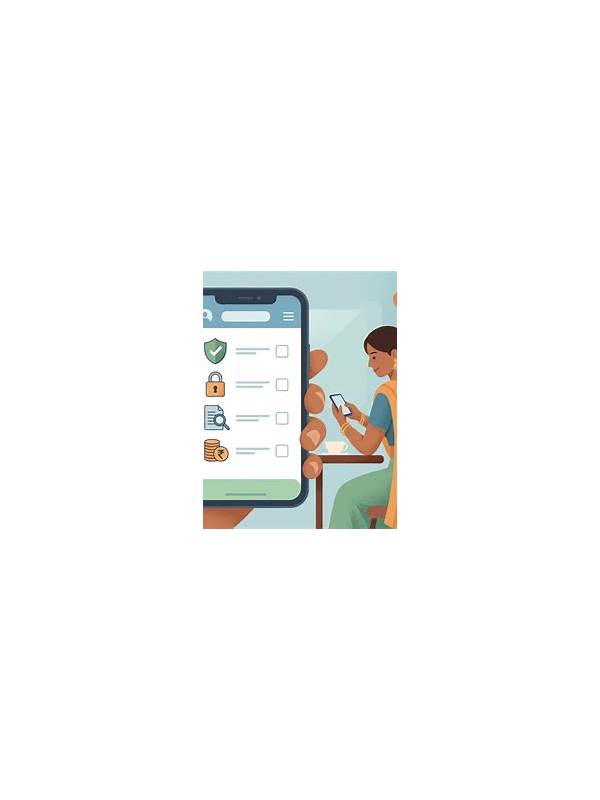
Responsible play begins before a table opens. Money needed for food, housing, bills, debt payments, or emergencies should never be part of a rummy budget. Keeping play funds separate makes a decision easier: when the session amount is gone, the session ends, regardless of the result.
Create a small entertainment limit for a defined period, such as a week or month. Choose it while calm, record it, and avoid changing it during a frustrating or exciting session. A limit is useful only when it remains stable under emotion. If the platform provides deposit, loss, or time controls, use them as additional reminders rather than relying on memory.
Do not borrow, use credit intended for necessities, or transfer money because a loss feels temporary. A losing hand is not evidence that a recovery is due. The next result is uncertain, and adding funds changes the size of the risk without changing the underlying odds or rules.
Separate the accounting too. Keep a simple note of deposits, withdrawals, and any fees, using the same time period as your budget. Seeing the total is often more informative than judging each table in isolation. If tracking feels uncomfortable, that discomfort is a signal to pause rather than a reason to hide the numbers.
Watch for practical warning signs: checking balances repeatedly, thinking about play during work, skipping ordinary plans to continue, or feeling pressure to win back money quickly. These signs call for a break and possibly support from a trusted person or a gambling-help service available in your region. Do not wait for a large loss before taking them seriously.
Safety also includes account security. Use only approved payment routes, review transaction confirmations, and never share passwords or one-time codes. If a payment request seems unusual, stop and verify it through an official support channel.
Rummy can be treated as entertainment only when its cost is limited and understood. Protect essential money first, set boundaries in advance, and accept that a session may end with a loss. A clear stopping rule is a strength, not a lack of confidence.
If you cannot comfortably afford the planned amount, choose free play or skip the session. Entertainment should fit around financial responsibilities, never force them to move. A trusted friend, counselor, or local support service can help when setting or keeping boundaries becomes difficult.
Review the boundary regularly, especially after a change in income or household expenses. A limit that was comfortable last month may not be appropriate today.
Related Post
Rummy FAQ: When Is a Sequence Better Than a Set?
A sequence is not automatically better than a set; the stronger choice depends on requirements, [...]
How to Use a Rummy Decision Pause Under Pressure
A short pause helps players check structure and discard cost before acting on a rushed [...]