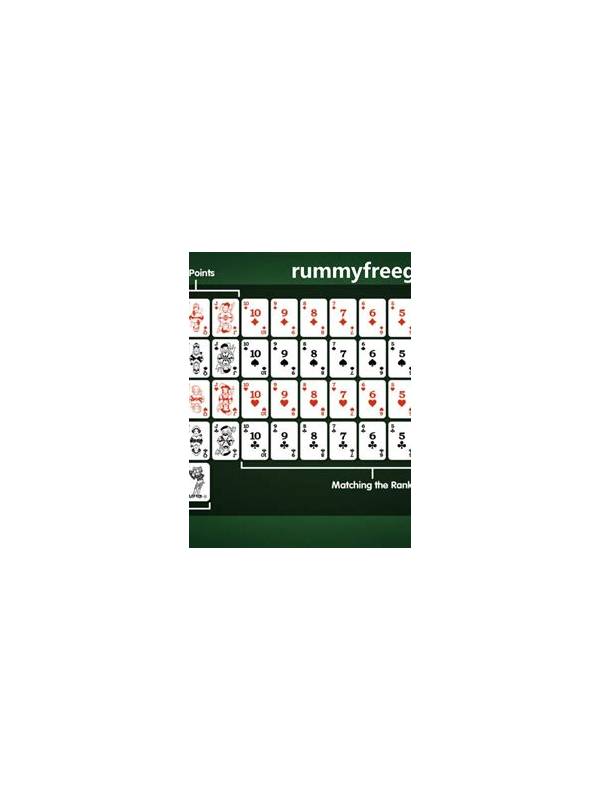
Rummy FAQ: What Makes a Declaration Valid?
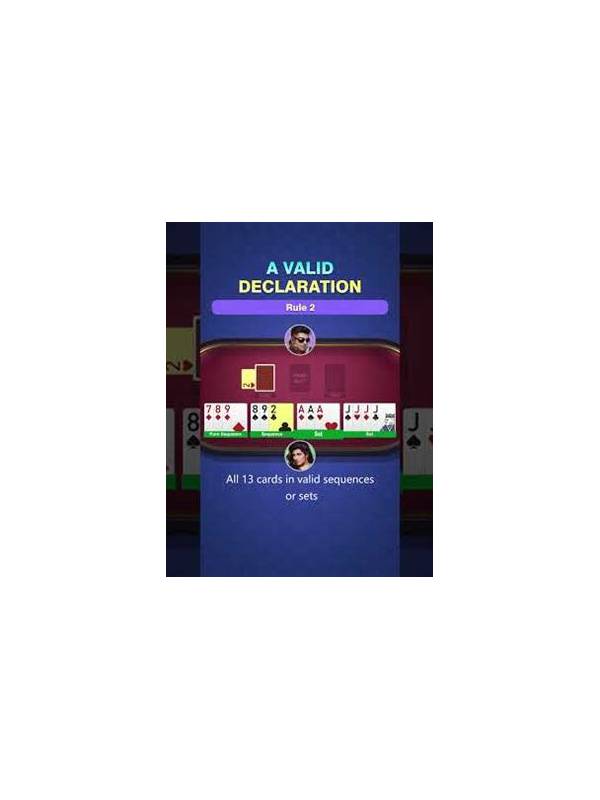
A declaration is valid only when the hand satisfies the format’s grouping rules. In a common thirteen-card Indian rummy game, every card must belong to a sequence or set, and at least one sequence generally must be pure. Platform rules may differ, so read the current help page before relying on a remembered rule.
A pure sequence is usually three or more consecutive cards of the same suit without a printed or wild joker substituting for a missing card. For example, four, five, and six of one suit form a pure sequence. A sequence using a designated joker may be impure, even if its visual order looks complete.
A set contains cards of the same rank in different suits. Three queens from three suits can be a set, while two queens of the same suit are not. Sets cannot replace the required pure sequence. Some formats permit more than one arrangement, so inspect the hand for alternate groupings before declaring.
Use a checklist rather than trusting the app’s highlighted suggestions. Identify the pure sequence first. Then assign every remaining card to a second sequence, an impure sequence, or a set. Count the cards in each group and make sure none is left loose. If one card is doing double duty in your mental arrangement, the hand is not yet organized.
If a declaration fails, the penalty can be significant. Avoid pressing the button while distracted or while a timer is nearly over. Practice arranging sample hands offline and verify unclear cases with official support. A valid declaration is a rules question, not a matter of confidence, luck, or what another player claims in chat.
Jokers deserve a final check. If a joker is filling a gap in a sequence, verify that the remaining cards are consecutive and share a suit. If you have several possible arrangements, choose one that leaves no card unassigned. An attractive set can be the wrong choice if moving one card elsewhere creates a required pure sequence.
The interface may display a declaration prompt before the hand is correctly arranged. Treat that prompt as an action button, not as a rules guarantee. When possible, use practice mode to test representative hands. Understanding the logic yourself is more reliable than depending on colors, animations, or an opponent’s confident comment. A slow final check is worthwhile when the penalty is avoidable.
If the rules use a special joker or minimum group length, add that condition to your checklist. Examples are valuable because they show how a rule behaves in an actual hand. When in doubt, do not declare just to see what happens in a costly contest.
Related Post
Rummy How-To: Build a Simple End-of-Round Note
A compact end-of-round note preserves useful lessons without turning every game into a long analysis. [...]
Rummy Card Duplication Errors: Check Your Hand Before Declaring
A final card-by-card audit helps catch duplicate use and other arrangement mistakes before a declaration. [...]