Rummy Tips: Make Your Hand Review Order Consistent
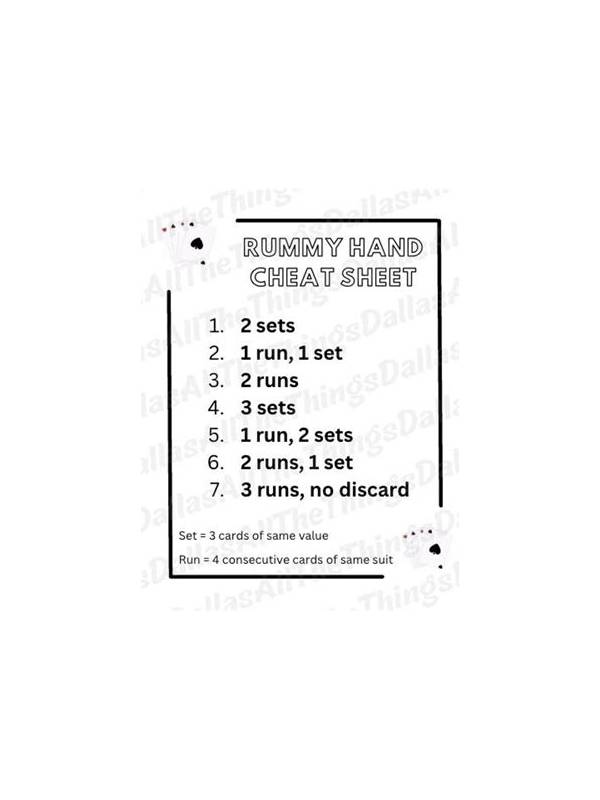
Many rummy mistakes happen because a player notices an interesting possibility before checking a simple constraint. A consistent review order reduces that problem. The order does not need to be complicated; it only needs to be familiar enough that you can use it under time pressure.
Start with legality. Confirm the variant’s group requirements, joker rules, and declaration conditions. Check whether any group you are treating as complete actually qualifies. This first step prevents strategic analysis from being built on an invalid assumption.
Next inspect structure. Separate secure groups, developing groups, and isolated cards. Identify which cards have multiple roles and which are expensive to hold. Do not rearrange everything repeatedly; one deliberate layout is enough to reveal the main alternatives. The aim is a map of the hand, not a perfect prediction of the final arrangement.
Then review risk. Consider the points or penalty attached to loose cards, the possible benefit to opponents, and the information your draw or discard may reveal. Keep facts separate from guesses. A risk that is visible and substantial deserves more weight than an imagined opponent plan with no supporting signal.
Finish with the next action. State what you want from the draw, what you will release if it does not arrive, and what event would make you change course. This turns the review into a decision rather than an endless search for combinations. With practice, the sequence becomes quick: rules, structure, risk, action. Consistency makes both play and later analysis more reliable.
You can adapt the order to your own pace, but avoid changing it simply because a hand looks interesting. A familiar sequence acts like a preflight check: it catches basic errors before creativity takes over. In practice, speak the prompts silently in a few seconds. In study, write the answers in full. The same framework can support fast play and careful coaching without confusing their purposes.
Use the checklist at natural pauses, such as after a new draw or before a declaration. Repeating it after every tiny visual change may slow you down and create doubt. The aim is reliable coverage of important questions, followed by a timely action. A checklist is useful when it supports judgment rather than replacing it.
Related Post

Rummy Tips: Plan Around the Most Expensive Unfinished Card
Identifying the costliest unconnected card can clarify whether to chase improvement or reduce exposure. [...]
Rummy Tips: Use Rank Clusters to Spot Hidden Connections
Grouping cards by rank first can reveal set possibilities that a suit-only sort hides. [...]