Rummy FAQ: When Should You Replace a Hand Note?
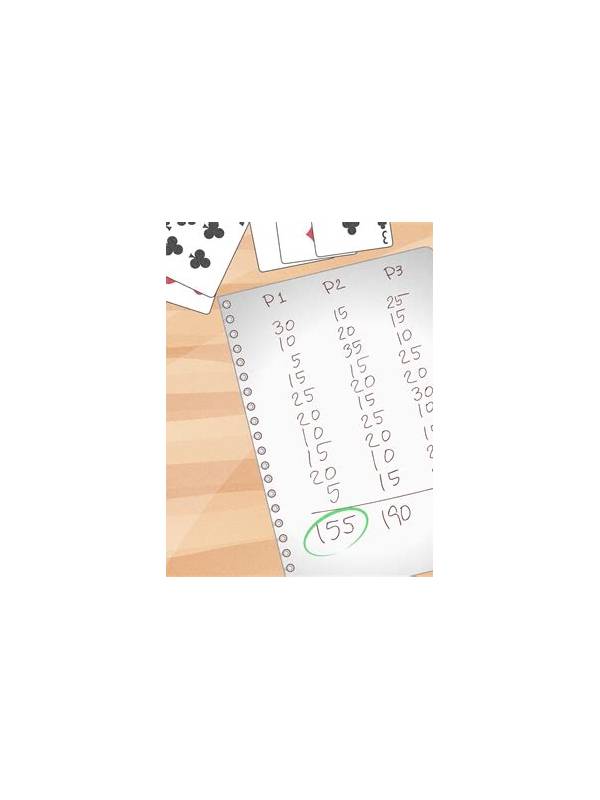
A hand note is meant to reduce mental clutter, but an outdated note can create a new problem. Players sometimes keep every observation they have written, even after the table makes it irrelevant. The right time to replace a note is when its information no longer changes a decision or when a newer fact contradicts its purpose.
Review a note after four events: a meaningful draw, an exposed group, a new high-cost card becoming stranded, or a change in the legal route you are considering. You do not need to rewrite everything after an ordinary turn. Ask whether the note still answers the question it was created to answer. If it was tracking a missing connector and that connector is now unavailable or no longer useful, replace that line.
Use a two-part format. Keep a small “known” section for facts that remain relevant, and a “current decision” section for what you are evaluating now. When the decision changes, rewrite only that section. This is faster than preserving a chronological diary during play and reduces the chance that an old plan will feel authoritative.
A note should also be replaced when it becomes too long to scan. More information is not always better. Remove duplicate cards, stale guesses, and details that do not affect your next draw or discard. If a fact is useful only for later review, move it to a separate record after the hand.
Be careful with digital notes that persist across games. A hand-specific observation can look like a general strategy rule when copied into the next session. Add a clear game marker or delete the note after review. In physical practice, use one page per hand or draw a line between sessions.
Replacing a note is not admitting that the previous decision was wrong. It is an update to the information available now. During review, check whether you replaced notes too late, too often, or at the right moments. The best routine is light enough to support play and strict enough to prevent stale assumptions.
One useful test is to hide the old note and ask what decision you would make from the current cards alone. Then restore the note and see whether it adds evidence or merely emotional attachment. Keep it only if it changes a concrete comparison or reminds you of a verified rule. This protects attention. It keeps review practical. Use it only when useful.
Related Post
How to Choose Between Two Rummy Discard Candidates
A simple tie-break method helps when two cards appear equally weak at the end of [...]
How to Track an Opponent’s Discard Pattern in Rummy
A lightweight observation method helps you notice useful patterns without trying to reconstruct another player’s [...]