Rummy Tips: Separate Observation From Interpretation
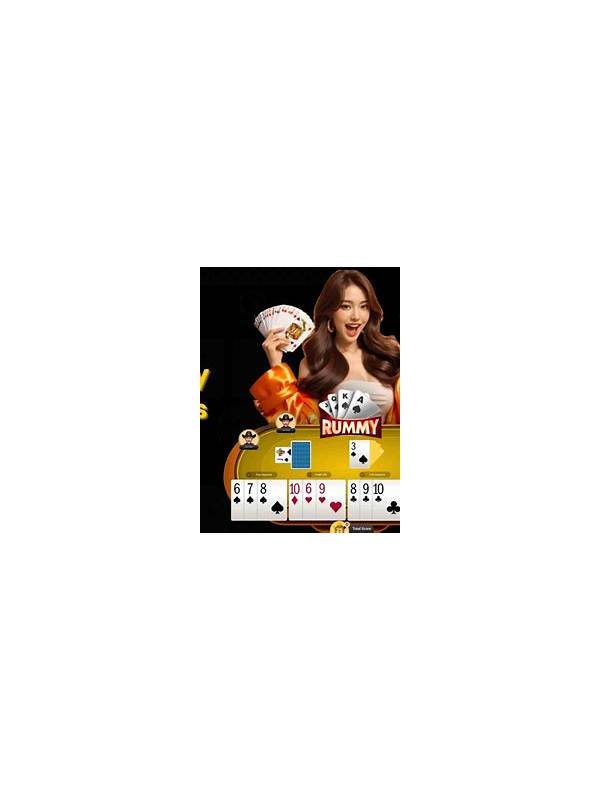
Good table reading begins with a small discipline: separate what you saw from what you think it means. An observation might be “a player took a seven from the discard pile.” An interpretation might be “that player is building a seven-based sequence.” The second statement may be useful, but it is not certain. Confusing the two can make a single action dominate your whole plan.
Use two mental columns. In the fact column, record visible actions, cards drawn from the pile, and cards discarded. In the hypothesis column, write possible explanations. Keep at least two explanations when the evidence is weak. The player may have taken the seven for a set, for a sequence, or simply because it was safer than the stock card. Multiple hypotheses prevent premature certainty.
When a new action appears, update the hypotheses rather than defending the first one. If the same player later discards a nearby rank, your original sequence theory may weaken. If they keep related cards, it may strengthen. You do not need exact probabilities; just ask whether the new fact supports, contradicts, or leaves the theory unchanged.
Apply the same separation to your own hand. “This pair is one card from a set” is a fact about structure. “The set is likely to arrive” is a forecast. Treat the forecast as a reason to compare options, not as permission to keep a costly card indefinitely. This distinction is especially helpful when a promising plan has survived several missed draws.
A short note after a round can show where interpretation ran ahead of evidence. Write three lines: what happened, what you believed, and what you would verify next time. Avoid judging yourself by the result alone. A correct observation can lead to a losing outcome, and a lucky guess can lead to a win.
The habit becomes faster with practice. At the table, use neutral words such as “seen,” “possible,” and “unconfirmed.” This keeps attention on decisions you control. Separating observation from interpretation does not remove strategic judgment; it gives judgment a cleaner foundation and makes it easier to change course when the cards provide new information. This approach is also useful when reviewing software behavior. Record that a prompt appeared, then separately decide whether it was relevant or trustworthy. Clear notes help you question assumptions without becoming suspicious of every ordinary action. The same calm separation works for opponents, interface notices, and your own emotional reactions. When a fact is incomplete, label it incomplete and choose a move that remains acceptable if your interpretation is wrong.
Related Post
Rummy Safety: Manage Data Permissions in a Gaming App
Reviewing app permissions and privacy settings can reduce unnecessary exposure when using a mobile rummy [...]
Rummy Safety: Treat Promotions as Optional Information
Promotions should be evaluated as optional offers with conditions, not as reasons to hurry into [...]