Rummy FAQ: Is a Low-Point Card Always Safe to Hold?
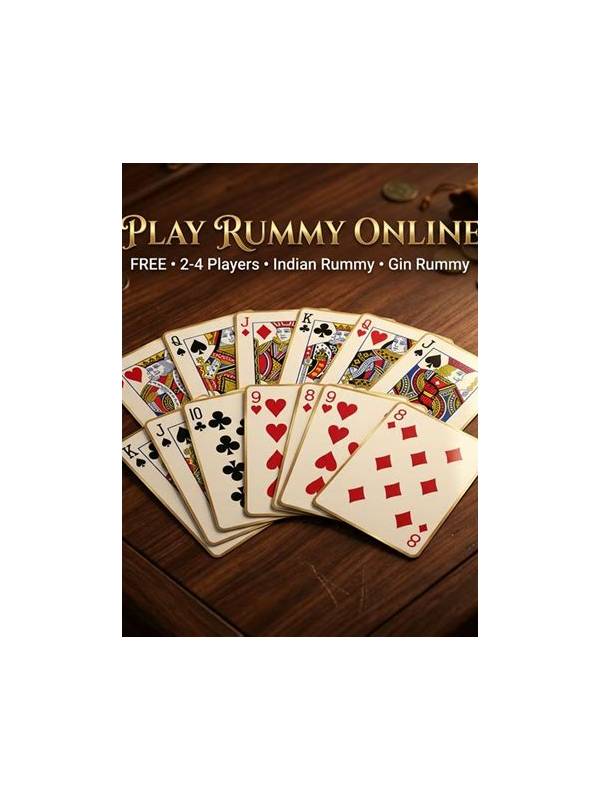
A low-point card is usually less dangerous at scoring time, but safety and usefulness are different qualities. A small card can still occupy space, support a narrow plan, or reveal too much when discarded. Evaluate it on both penalty and structure instead of treating its printed value as a complete answer.
First ask what the card can do. It may connect to a sequence, support a set, or act as a flexible bridge between two groups. If it has several plausible roles, holding it can preserve options. If it is isolated and no nearby cards are appearing, its low cost may be the only reason it remains. That can be valid temporarily, but set a review point.
Then consider timing. Early in a hand, a low card can be a reasonable placeholder while you gather information. Later, a placeholder that has not gained a role should compete with every new draw. Keeping it simply because it is harmless may prevent you from testing a more productive structure.
The discard risk is separate. An opponent may need the card even if it is low value to you. Look at recent choices and the visible pile, but do not assume that a low card is either definitely wanted or definitely unwanted. If two discards are similar for your hand, choose using the wider table context and the rules of the format.
A useful review question is: if this card disappeared, what would I lose? If the answer is “nothing except a few points,” it is a strong candidate for removal. If the answer names a real connection or fallback, keep it until that role is disproved. Low points are a benefit, not a substitute for a plan. There is also a psychological trap in low-point cards. Because they feel harmless, they can become invisible during review. Make every held card earn its place by naming a role, even if that role is temporary risk reduction. If the card has no role, compare it with the newest draw immediately. This does not mean discarding every small card; it means refusing to let comfort replace evaluation. In a practice session, deliberately track how long an isolated low card remains in your hand. The observation will show whether you use it as a sensible buffer or as a way to avoid making a harder structural choice. Keep the language of the review factual and kind. A hand is a changing set of possibilities, not a test of personal worth. When a decision is unclear, write down the two reasonable options and the evidence that separated them. This makes future practice more useful than replaying the result emotionally. You can also use the note to identify a question for the next session, such as whether a deadline was long enough or whether a table clue deserved attention. Small, specific questions are easier to test than broad promises to play better.
Related Post
Rummy How-To: Teach a New Player With an Open Hand
An open-hand teaching round lets beginners learn rummy decisions without confusing luck with skill. [...]
Rummy FAQ: Is Keeping a Pair Always Useful?
A pair is a possibility rather than a promise, so its value should be tested [...]