Rummy How-To: Compare Two Possible Discards
Sometimes two cards appear equally disposable. Choosing by instinct can work, but a small comparison method produces a clearer decision. Compare the cards across four questions: point exposure, hand structure, future flexibility, and table information. You do not need exact numbers; a simple high, medium, or low rating is enough.
Start with point exposure. Which card would hurt more if the hand ended soon? This is especially relevant when one card is high and isolated. Next inspect structure. Does either card belong to a confirmed group, a promising connection, or a useful fallback? Removing a card from a flexible arrangement may cost more than removing an awkward card with a lower printed value.
Third, compare flexibility. Count realistic jobs for each card rather than every imaginable combination. A card that can join two different sequences may be worth holding, while a card that fits only one narrow draw is less flexible. Be honest about the probability of those draws and do not call a plan flexible merely because it is theoretically possible.
Fourth, consider information. What would each discard tell the table about your hand, and could either card help an opponent based on visible clues? This factor should adjust the choice, not dominate it. A player who always avoids giving information may keep too many costly cards. The best decision balances private improvement with public risk.
If the ratings remain tied, choose the card that leaves your next turn easiest to evaluate. A hand with a clear plan is valuable because it reduces rushed decisions. After the round, review whether the comparison exposed a real difference. Over time, this method will make ambiguous discards faster and less emotional. You can make the comparison visible during practice by writing the two candidate cards at the top of a note and adding four short ratings underneath. Do not search for false precision. “High structure, medium flexibility, low exposure” is enough to expose the main trade-off. If one card clearly loses on three categories, the decision is usually straightforward. If the ratings tie, use the next-turn test: which discard leaves a more understandable plan after the next draw? This approach also creates useful review material. Later, check whether your ratings matched the reasoning you still consider sound, independent of which card happened to arrive. Keep the language of the review factual and kind. A hand is a changing set of possibilities, not a test of personal worth. When a decision is unclear, write down the two reasonable options and the evidence that separated them. This makes future practice more useful than replaying the result emotionally. You can also use the note to identify a question for the next session, such as whether a deadline was long enough or whether a table clue deserved attention. Small, specific questions are easier to test than broad promises to play better.
Related Post
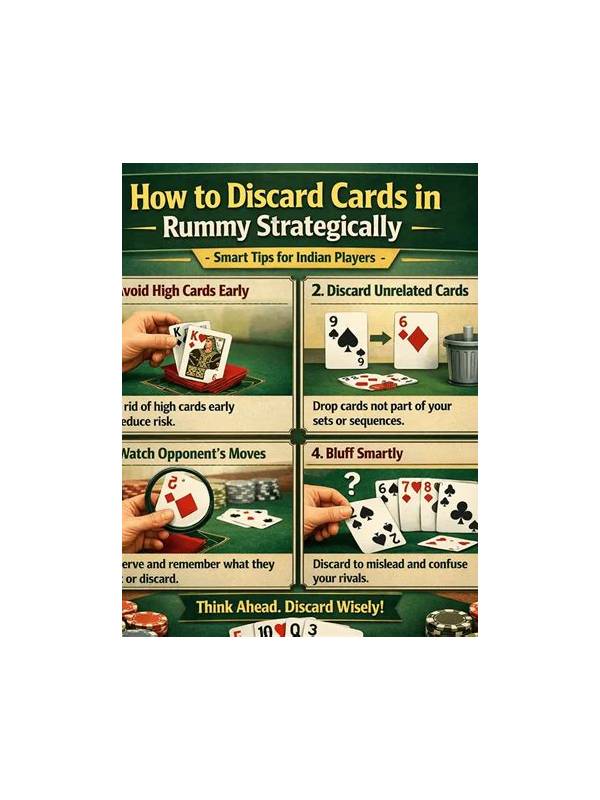
Rummy Tips: Give Your Discard a Destination Test
Before releasing a card, ask where it could help and whether that possibility is meaningful [...]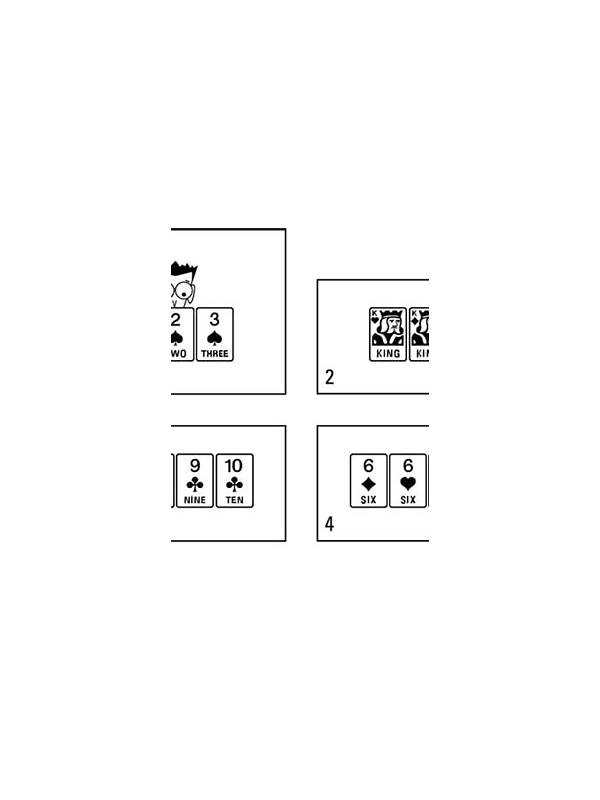
Rummy FAQ: Why Can Two Legal Hands Have Different Risk?
Legality is essential, but exposure, flexibility, and timing determine how risky a legal arrangement is. [...]