Rummy FAQ: Why Do Good Cards Sometimes Need to Be Discarded?
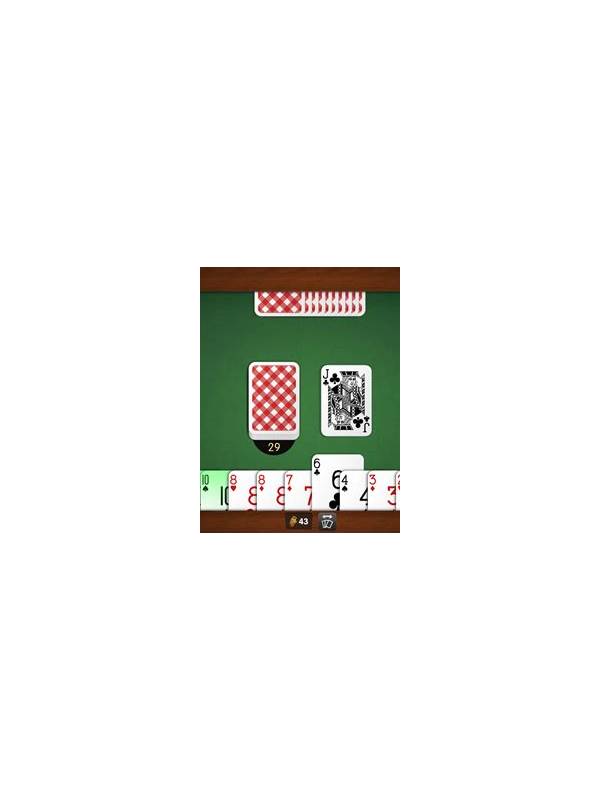
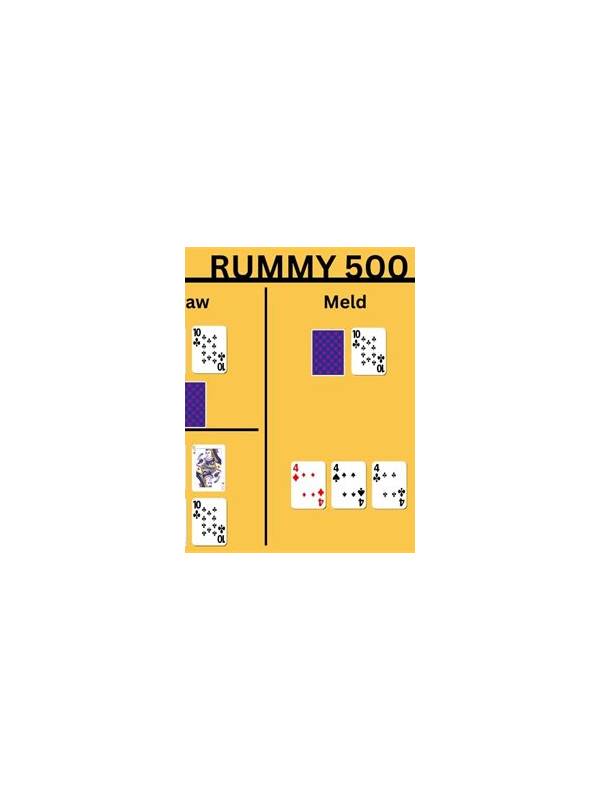
“Good card” usually means a card that can fit several combinations. That flexibility is valuable, but it is not free. The card occupies a hand position, competes with confirmed structures, and may encourage you to chase too many plans. Sometimes discarding a good card is the cleanest way to reduce clutter and commit to a stronger arrangement.
First distinguish theoretical usefulness from current usefulness. A card may fit many possible sequences in a deck, yet none may be realistic given the cards already visible. Check whether nearby cards have appeared and whether the remaining draws can support the plan. If every route requires several specific outcomes, the card is less useful than its reputation suggests.
Compare it with the structure you could protect by discarding it. If releasing the flexible card lets you keep a confirmed group and a second broad route, the hand may become easier to finish. Also compare point exposure. A flexible high card can be a poor hold when a lower-point card offers nearly the same number of jobs.
Timing changes the answer. Early in a hand, flexibility is often worth preserving while information is limited. Late in a hand, the value of clarity rises. A card that was excellent three turns ago may now be the only obstacle to a complete layout. Set review points so that old evaluations do not remain in force automatically.
Do not judge the discard by the next draw alone. If the card you released appears immediately, review whether the decision was supported by evidence at the time. Strong play sometimes gives up an attractive possibility to protect a more reliable plan. “Good” is contextual: the best card is the one that serves the hand you can actually build. One way to test a card’s current value is to imagine removing it and then reorganizing the remaining hand. If the result produces a clear confirmed group and a broad developing group, the flexible card may have been excess. If removing it leaves several isolated cards, its flexibility may still be doing important work. Repeat the test only when the hand changes meaningfully; constant hypothetical rearranging can become its own distraction. Also remember that a card can be good for an opponent and still be the correct discard for you. Decisions should balance private structure, public risk, and the actual rules rather than relying on a universal ranking. Keep the language of the review factual and kind. A hand is a changing set of possibilities, not a test of personal worth. When a decision is unclear, write down the two reasonable options and the evidence that separated them. This makes future practice more useful than replaying the result emotionally. You can also use the note to identify a question for the next session, such as whether a deadline was long enough or whether a table clue deserved attention. Small, specific questions are easier to test than broad promises to play better.
Related Post
Rummy Tips: Handle a Run of Dead Draws
Several unhelpful draws call for a structured reassessment rather than automatic chasing or panic discards. [...]
Rummy How-To: Build a Useful Post-Game Review in Five Minutes
A five-minute review can turn one rummy hand into specific practice goals for the next [...]