Rummy Guide: Build a Reliable Opening Routine

The first few turns of a rummy hand can feel urgent, but speed is rarely the same as clarity. A reliable opening routine gives you a short sequence of observations to make before you start chasing a particular meld. It is useful for beginners because it reduces random rearranging, and it remains useful for experienced players when the opening hand is awkward.
Begin by identifying the cards that already have a clear relationship. Look for a natural sequence, a pair, or a card that sits between two cards of the same suit. Do not call every nearby card a plan yet. A seven and nine are not automatically a useful eight-card project if the rest of the hand offers stronger possibilities. The aim is to find anchors, not to force a pattern.
Next, separate cards by confidence. High-confidence cards already belong to a plausible group. Medium-confidence cards have one reasonable connection but need help. Low-confidence cards have no visible job. This simple classification prevents a visually tidy hand from appearing stronger than it really is. A pair may look attractive while a three-card sequence is already much closer to completion.
Then check the cost of waiting. Ask which cards would become difficult to release if your first idea fails. High cards and isolated cards deserve attention because they can create a large penalty or restrict later choices. This does not mean discarding them instantly. It means setting a review point instead of keeping them indefinitely.
Finally, choose one modest objective for the next two turns: extend the strongest sequence, test a pair, or reduce an isolated card. Reassess after each draw. A routine should create better questions, not lock you into a prediction about the whole hand.
Before acting, say the plan in plain language: “I am extending this sequence, but I will release the isolated high card if no help appears.” That sentence makes the decision measurable. When the hand changes, you can compare the new information with the original objective and adjust without feeling that you are abandoning a promise.
Keep the routine short enough to use under normal table pressure. A useful sequence is anchor, confidence, cost, objective, review. If a step takes longer than the decision deserves, record the question mentally and move on. The routine is there to prevent avoidable commitments, not to guarantee a perfect opening. Use the idea as a prompt for comparison, not as a rigid rule. The cards, table rules, and timing still matter. If the next piece of information changes the balance, update the plan calmly and keep the explanation simple.
Related Post
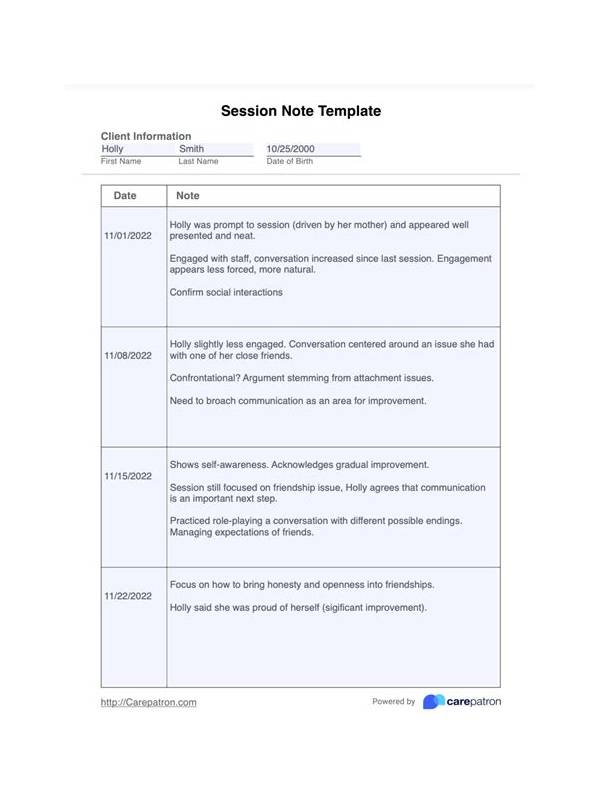
A Three-Column Rummy Session Note Template
A compact three-column template helps players review choices, evidence, and outcomes without interrupting the game. [...]
Rummy Safety: Keep Entertainment Funds Separate
Separating entertainment money from essential finances makes session limits easier to see and respect. [...]