Rummy Guide: Track a Hand With Three Confidence Levels
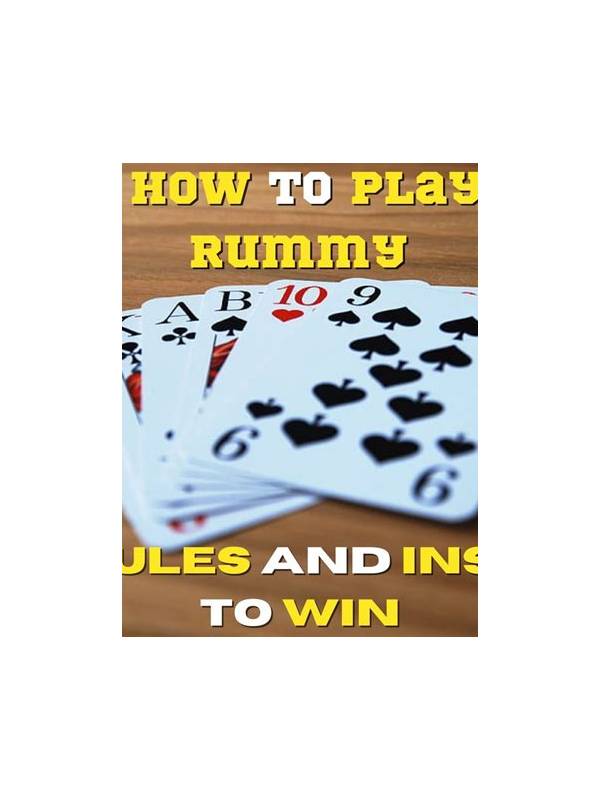
Confidence labels can simplify a complicated rummy hand. Instead of trying to predict the final arrangement, classify each proposed group as established, plausible, or speculative. The labels are reminders about evidence, not judgments about your skill or certainty about the outcome.
Established groups have a clear legal structure and need little or no additional support. They should not be disturbed casually, but they should still be checked if a new card creates a better arrangement. Plausible groups have a strong relationship but remain incomplete. They deserve attention and a review condition. Speculative groups rely on one narrow draw, an assumption about an unseen card, or a connection that is not yet strong enough to justify holding multiple cards.
Apply the labels to cards as well as groups. A card can be established in one sequence while its neighboring pair is only plausible. This prevents you from protecting an entire cluster merely because one part is sound. It also makes it easier to split a pair when one member has a better role elsewhere.
After each meaningful draw, promote or demote only the affected cards. A plausible group becomes established when it is completed or gains a clear legal form. It becomes speculative when visible information removes its likely extensions. If your hand contains too many speculative cards late in the round, prioritize reducing them rather than adding another hopeful project.
The labels help with discard order. First protect established structure, then compare plausible groups by number of completion routes and penalty. Speculative cards are usually the first review candidates, although a low speculative card may be less urgent than a high isolated one. The classification gives you a starting point, not an automatic answer.
Use the system in practice by writing three columns after a round. Note what you labeled, what happened, and whether the label matched the evidence available at the time. That reflection improves calibration and teaches you to separate a real signal from the excitement of a possible combination. Confidence should describe the quality of the current evidence, not your attachment to a card. If you notice yourself defending a speculative group with increasingly complicated explanations, demote it and start again. Clear labels create permission to change direction, which is often more valuable than keeping a fragile plan alive. Use the idea as a prompt for comparison, not as a rigid rule. The cards, table rules, and timing still matter. If the next piece of information changes the balance, update the plan calmly and keep the explanation simple.
Related Post
Rummy Guide: Separate Useful Pairs From Decorative Pairs
A pair is valuable only when its likely extensions fit the rest of your hand. [...]
Rummy Session Breaks: Signs It Is Time to Pause
Recognizing fatigue and emotional pressure early helps keep rummy sessions recreational and controlled. [...]