Rummy Safety: Keep a Neutral Record of Account Changes
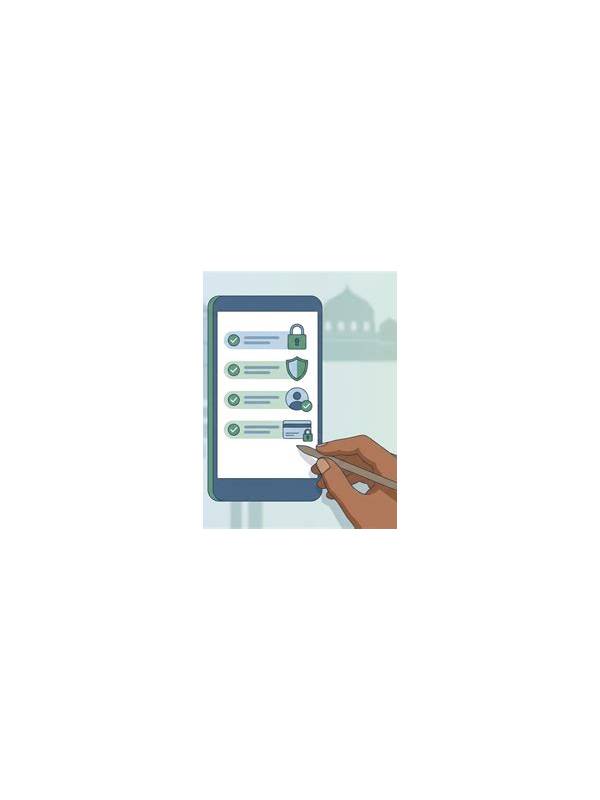
Keeping a small record of account changes is a practical safety habit. It can help you recognize an unfamiliar login, a changed setting, or an unexpected message while the details are still fresh. The record should contain facts, not passwords, full payment information, or copies of identity documents.
Choose a private place that is protected by your device security. Write the date, approximate time, and a short description of an event such as “notification setting changed” or “new device alert received.” If the service provides a transaction or login reference, record only the safe identifier shown to you. Never paste a one-time code or secret recovery phrase into your notes.
Review the record after an update, a new device sign-in, or a support interaction. Compare what you expected with what happened. If something is unfamiliar, open the service through its known app or address instead of using a link in an urgent message. Check official help instructions and contact support through the normal channel.
A neutral record also improves communication. Instead of saying “someone hacked my account,” you can report “a login alert appeared at 8:20 and I did not recognize the device.” Specific observations help support staff investigate and reduce the chance that panic leads you to share information with an impersonator.
Set a retention rule. Keep records only as long as they are useful for review or a pending dispute, then remove them safely. Do not include information about other players that you do not need. The goal is a compact timeline of your own account events.
This habit cannot prevent every problem, but it improves early detection and response. Combined with a unique password, device lock, and careful verification of support messages, it gives you a clearer boundary between ordinary account activity and something that deserves attention. If you must contact support, include the neutral timeline and the exact public error message, but omit secret details. Official support should not need your password or a one-time code. Be cautious if a message asks you to move the conversation to an unfamiliar channel or to act immediately.
Review the record periodically, then close old sessions and remove stale notes. A small, accurate timeline is safer and more useful than a large archive filled with sensitive material or speculation. Use a separate heading for suspected events and confirmed events. That small distinction prevents a guess from becoming part of the account history. It also gives you a clear question to resolve through the official channel.
If you share a device, protect the record with the device’s normal privacy tools and sign out of accounts when appropriate. Safety notes should improve control without exposing personal information to the next user.
Related Post

Rummy Comparison: Cautious Openings Versus Aggressive Openings
The best opening style depends on the hand’s flexibility, the format’s pace, and the cost [...]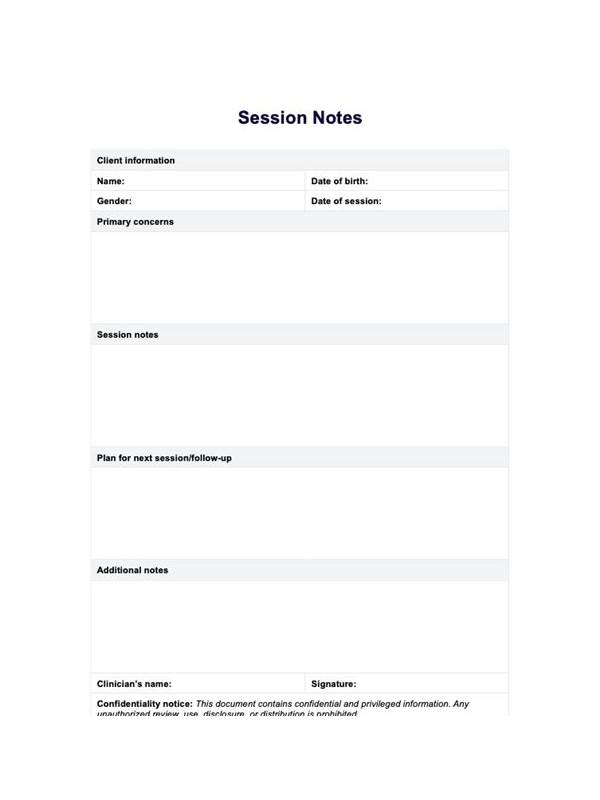
Rummy How-To: Archive Session Notes for Later Review
A compact archive makes it easier to find recurring decision patterns without turning every game [...]